


JRC tackles alcohol fraud with denaturants
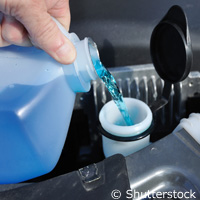
The Joint Research Centre (JRC) of the European Commission has revealed the list of denaturants that could potentially be used to harmonise denaturing practices at EU level. The denaturants shortlist reported on 6 December will mitigate both fraud and tax evasion practices related to alcoholic beverages. A denaturant is used to make alcohol unfit for human consumption following the addition of another element to it. Because of the chemical addition, denaturants either smell very strongly or taste very bitter. JRC scientists say the denaturants that made it onto the list could probably replace the more than 100 substances that are currently used by Europeans to denature alcohol. The team says no harmonised excise duty is slapped on denatured alcohol, unlike our usual alcohol or alcoholic drinks. Denaturants are used in screen-washer fluid, solvents and perfumes. The JRC coordinated the study as per a request from the Directorate-General for Taxation and Customs Union of the European Commission. The researchers compared a variety of potential denaturants against a set of criteria: these included the difficulty in removing the denaturant from alcohol, its ease of detection, and reasonable cost. The resulting denaturant shortlist includes the following formulations and concentrations. For completely denatured alcohol as well as for solvents, thinners and screen-wash products, the recommended denaturants and concentration are three litres isopropyl alcohol (IPA) plus three litres methyl ethyl ketone (MEK) plus one gram denatonium benzoate. For cosmetics, perfumes and hygienic products, the recommended denaturants and concentration are 5 litres IPA plus 1 gram denatonium benzoate or 78 gram tert-butyl alcohol (TBA) plus 1 gram denatonium benzoate. For biofuels, the recommended denaturant and concentration are gasoline plus two litres ethyl tert-butyl ether (ETBE) plus one litre IPA. For printing inks, the recommended denaturants are 3 litres IPA plus 3 to 10 litres ethyl acetate (EA). The European Commission is mulling over ways to promote the use of the proposed denaturants in all Member States. What officials would like to see is a voluntary transition to the new denaturants per product category. For its part, the European Chemicals Agency is pleased about the compatibility of the proposed denaturants with the objectives of the EU legal framework for chemicals (Registration, Evaluation, Authorisation and Restrictions of Chemicals or REACH). Officials and EU Member State representatives met last July to discuss this issue. Their consultation is scheduled to culminate with positive results in June 2012. As things stand, EU Member States have carte blanche to establish the requirements for both fully denatured alcohol and for alcohol earmarked for the production of any product unsuitable for human consumptions. One of the problems is the complex manner in which denaturants are detected. It also puts a great deal of pressure on customs laboratories, and in turn results in more holes as regards control. Another problem is that there are a number of denaturants that seem to be less robust than others. Fraudsters who recover alcohol from products exempt from alcohol duty take advantage of this as much as they can, which results in significant financial losses for officials in Member States.For more information, please visit: Joint Research Centre (JRC): http://ec.europa.eu/dgs/jrc/index.cfm(opens in new window)