


CORDIS Express: Natural disasters - softening the impact with EU projects
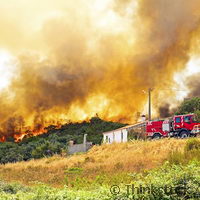
According to a report from the European Environment Agency, between 1998 and 2009, disasters caused nearly 100 000 fatalities, affected more than 11 million people and led to economic losses of about EUR 150 billion. Extreme temperature events caused the highest number of human fatalities. In total, more than 70 000 excess deaths were reported in Europe during the hot summer of 2003. Flooding and storms were the most costly hazards - the overall losses recorded in the study period added up to about EUR 52 billion for floods and EUR 44 billion for storms. Technological accidents caused the most severe ecosystem impacts. The oil spills from the tankers Erika (1999) and Prestige (2002) caused some of the worst ecological disasters in European waters and the toxic waste spills from the mining activities in Aznalcollar, Spain (1999), and Baia Mare, Romania (2000), seriously affected the environment not only in the immediate aftermath, but also in the long term. Man-made disasters like these can be prevented. For others, however, our best hope is to reduce the impact by ensuring we are aware and prepared, and that our response and recovery operations and information systems are as efficient as possible. This week's edition of CORDIS Express focuses on the EU-funded projects focused on preventing, preparing for, monitoring and supporting relief efforts in relation to natural and man-made disasters. - Improving decision making in complex crises situations(opens in new window) - Mapping geological stability online(opens in new window) - Easy access to weather and water data for all(opens in new window) - A safer metro ride on the horizon(opens in new window) - An in-depth look at Europe's civil security systems(opens in new window) - Keeping stricken vessels afloat(opens in new window) - Seismic Vulnerability and risk assessment(opens in new window)