


CORDIS Express: EU research supporting energy targets
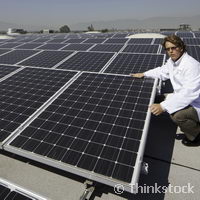
Energy security has long been an issue of deep concern to the EU. And recent political upheavals in the Ukraine have added a keener sense of urgency to the problem. We have good reason to feel concerned: In 2013, energy supplies from Russia accounted for 42% of EU natural gas imports and 33% of oil imports. However, it's not just Russia that we are reliant on. Overall, the EU imports over half of the energy it consumes. We are highly dependent on imported crude oil (almost 90 %), natural gas (66 %), and to a lesser extent on solid fuels (42 %) as well as nuclear fuel (40 %). The value of energy imports into the EU stands at a staggering EUR 1 billion per day. Increasing the share of renewable energy and improving energy efficiency will go some way towards addressing this issue. EU countries are currently working towards a target of 20 % of energy from renewables and a 20 % increase in energy efficiency by 2020. We're moving in the right direction - in 2012, our share of renewables reached 14.1 % of final energy consumption. And today, more than 50 % of electricity production is CO2 free (including both renewable and nuclear energy). Our 2020 targets, as well as our hunt for new energy sources and improved energy systems, require talented scientists and innovative research efforts. This edition of CORDIS Express looks at the EU-funded projects that may support us in achieving clean, sustainable and secure energy. - Trending science: Earth's energy quest(opens in new window) - Enabling environmental decision making on energy sources(opens in new window) - Biomass: the sustainability challenge(opens in new window) - Energy industry ready to get smart!(opens in new window) - Inexpensive solar space and water heating(opens in new window) - Hydrogen production from fluctuating power supply(opens in new window) - A brighter future for nuclear power(opens in new window) - Rotating blades generate electricity(opens in new window)