How an EU-funded project is turning food and plastic waste into profitable, circular resources


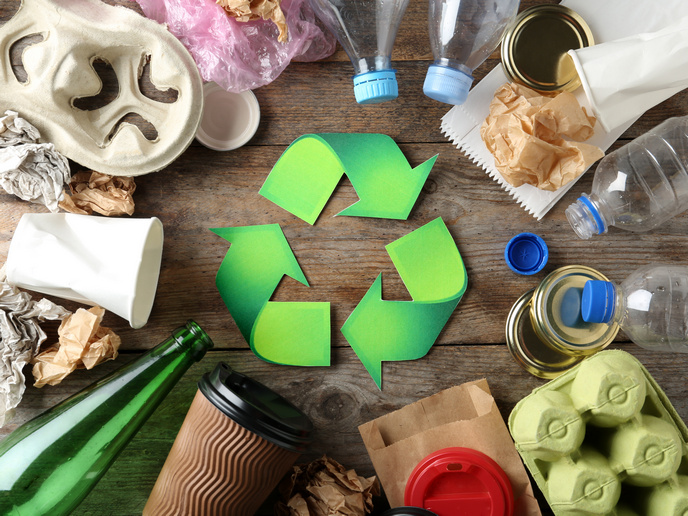
Packaging and food waste are among the most pressing challenges facing the agri-food industry. Multilayer plastics are difficult to recycle, and fruit and vegetable residues often end up as animal feed or in landfills, despite being rich in useful compounds. The EU-funded Agro2Circular(opens in new window) project set out to change this by demonstrating a full circular model in the Region of Murcia, Spain. Through new green extraction methods, plastic upcycling technologies and a traceability system, the project turned local waste into ingredients, materials and business models ready to scale.
Pioneering ‘green extraction’ from fruit and vegetable waste
Agro2Circular demonstrated that often discarded agri-food waste, such as lemon peels, broccoli stalks and cauliflower leaves, can be converted into valuable natural ingredients for cosmetics, functional foods and nutraceuticals. These results were achieved by using enzymes and technologies such as ultrasound and microwaves to extract beneficial compounds while discarding harmful chemicals. This ‘green extraction’ approach delivered stable, food-grade outputs with high purity, reducing health risks while aligning with regulatory standards. As Fuensanta Monzó, Agro2Circular project coordinator, explains: “Our extracts are food-grade and non-toxic by design, which makes regulatory approval far more straightforward.”
Tackling multilayer plastic with sorting, delamination and enzymes
Post-industrial multilayer plastic films are among the most difficult waste streams to recycle. Agro2Circular addressed this by combining optical sorting, physical delamination using green solvents, and enzyme-based depolymerisation. These methods helped recover materials such as aluminium, polyethylene (PE) and polyethylene terephthalate (PET) while reducing environmental impact. Some steps required technical adaptation. For instance, PE proved resistant to enzymatic degradation until the team added an extra phase. “Since polyethylene lacks reactive functional groups, we found that oxidative pretreatment was essential for effective enzymatic degradation,” says Monzó. Further optimisation focused on solvent reuse and sorting precision. Combined with a favourable life cycle assessment, the approach delivered a competitive bio-based alternative to fossil-based plastics.
Data integration and traceability in circular value chains
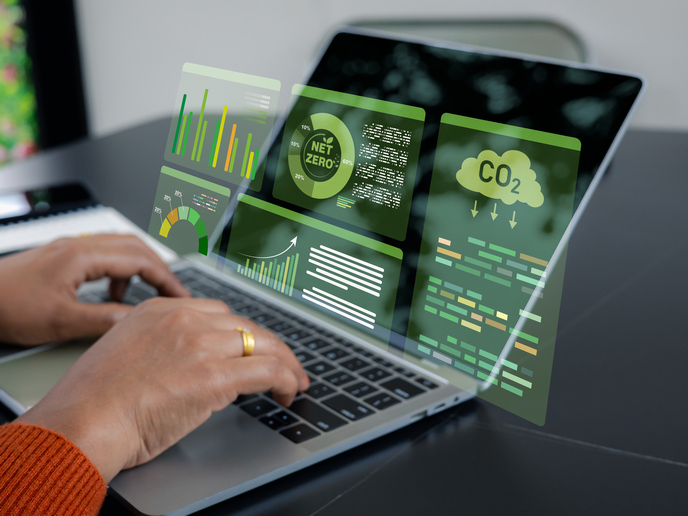
Supporting these technologies is a digital data integration system (DIS), which tracks the journey of both food and plastic waste streams. Designed to meet emerging certification and labelling needs, it records details such as recycled content, use of renewable sources, and water and energy efficiency. By making these parameters transparent, the tool helps actors across the chain understand their performance and adjust accordingly. As Monzó explains: “This real-time data will help farmers, packagers and recyclers make better operational and business decisions by providing insights into the environmental sustainability of their value chains.” The system’s structure has already gained recognition, having been selected as a case study for the EU’s upcoming product digital passport framework.
From pilot scale to European roll-out
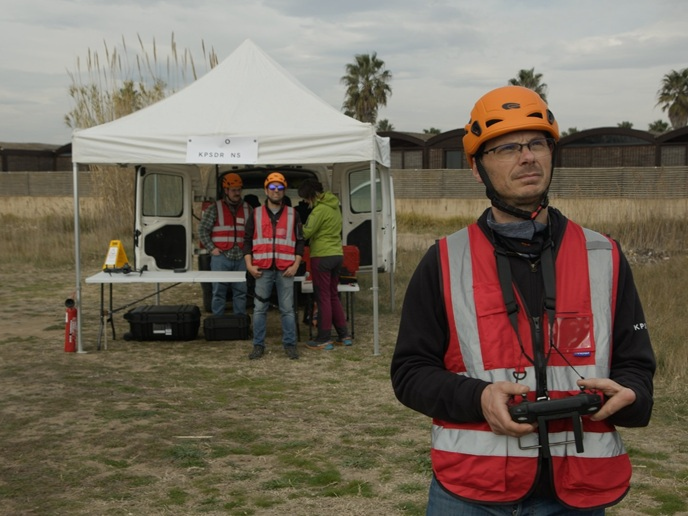
In the region of Murcia (Spain), 10 regional demonstrators(opens in new window) brought Agro2Circular’s solutions into industrial settings. The project team also produced a Best Practice Book(opens in new window) and developed proposals for rolling out the approach in Italy’s Lombardy Region(opens in new window) and in Lithuania. Of the project’s 60+ exploitable results(opens in new window), the multilayer plastic upcycling process appears closest to market, having reached technology readiness levels of 7–8. Meanwhile, public engagement helped ensure citizen support through school workshops, video games and consultations at local markets. Reflecting on these outreach efforts, Monzó notes that “the public is open to learning about the circular economy and recycling and eager to understand how they can contribute.” Since the project concluded in March 2025, 18 secondary raw materials produced by 10 demonstrators have been validated by several end-users in 19 plastic, cosmetic, food and nutraceutical formulations, and the technology remains available to the agri-food industry for further development. Monzó and her colleagues are currently expanding the DIS to other value chains, and working on a sustainable, biodegradable and bio-based plastic known as PHBV, which is used in food packaging applications.