New perspectives on Neolithic settlement in arid lands

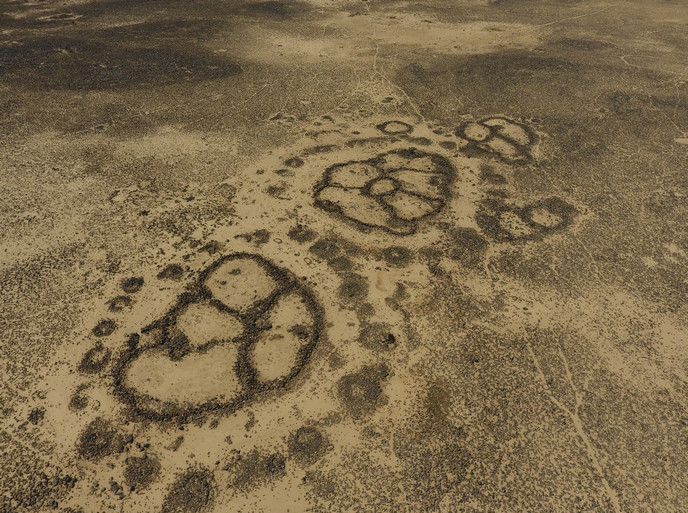
During the second half of the Neolithic period (c. 7 500 to 5 000 BC) in the Near East, populations moved towards the arid margins of the Fertile Crescent(opens in new window) in ways not previously observed. This event, classified as ‘conquest’, ‘migration’ or ‘colonisation’, has been studied separately in different areas by different teams. Now, the MARGINS(opens in new window) project, undertaken with the support of the Marie Skłodowska-Curie Actions(opens in new window) programme, has conducted comprehensive research to get the whole picture of this phenomenon. It studied 10 areas over two millennia, processing data from around 150 archaeological sites collected by international teams over the past 50 years. The steppes and deserts of the Near East, known to be arid and less suitable for crops and permanent occupation, were long considered empty or marginal spaces. They were thought to host only scattered camps of mobile groups and were largely excluded from narratives of the Neolithic transition towards a sedentary, agriculture-based lifestyle in the Fertile Crescent, considered the ‘cradle of civilisation’. MARGINS researchers challenge the idea of marginality of these areas and of the people who inhabited them. “We now have enough strong evidence to justify their integration in the definition of the Neolithisation in the Near East,” states Marie-Laure Chambrade, principal investigator.
Opportunities in the margins
The project reassessed how Neolithic groups adapted to challenging arid environments, which at the time had more water, vegetation and wildlife than today. Rather than being pushed out of the Fertile Crescent by climatic deterioration or demographic pressure, Chambrade argues that many groups were drawn to the margins by opportunity. “These movements reflected a timely combination of seized or provoked opportunities, combined with technical achievements in some fields and attractiveness of resources related to fauna and mineral exploitation.” To better understand this phenomenon, MARGINS developed an integrated methodology. Using geographic information system (GIS) software, it created a standardised, multiscale and comparative approach to analysing heterogeneous archaeological and environmental data. Through this analysis, the project posited a central force that possibly drove this conquest: the early development of pastoral nomadism. This way of life “started with a combination of tradition (mobility) and innovation (management of domestic herds) that proved to be efficient for inhabiting steppes and deserts, and stood the test of time,” explains Chambrade. Groups adopted mixed strategies, combining herding and hunting and complementing them with craft activities. One craft activity recognised as a major economic activity in arid regions is stone bead production. MARGINS gathered evidence of its different stages. “Each step of bead production may have been organised separately inside a territory by different groups, or parts of a group, with their own craft skills,” says Chambrade.
Resilience in challenging environments
MARGINS confirmed that steppes and deserts were far from being empty spaces. “What they have accomplished is more than adaptation; it is appropriation of the landscape,” notes the researcher. Lessons from the project go beyond archaeology and prehistory to addressing contemporary challenges, such as climate change. “Admittedly, there are many more of us on Earth today and some aspects are not comparable at all, but adaptability – working with the natural environment rather than against it – seems to be an essential point for a sustainable future,” she concludes.