Research could bear fruit for sustainable food production

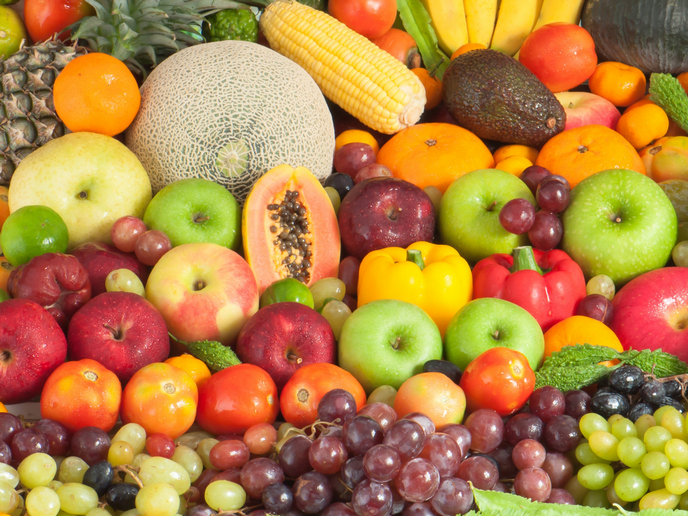
With there being thousands – perhaps hundreds of thousands – of types of fruit in the world, it should come as no surprise that fruits are the main source of food for humans. They also represent an important means of dispersing seeds, which is pivotal to the survival of plant species and to our ability to feed a growing population. But how did fruits evolve and what mechanisms underpin their formation? Answering these questions is the EU-funded EVOfruland(opens in new window) project. “By delivering new insights on the mechanisms underpinning fruit formation, we aim to help increase the sustainable production of plant-based foods,” says Barbara Baldan, a researcher at the University of Padua(opens in new window), the project’s coordinating partner. The project received support from the Marie Skłodowska-Curie Actions(opens in new window) programme.
Driving the diversification of fruit
With the goal of understanding the evolutionary steps that led to plant reproduction and the formation of seeds and fruits, the project utilised the latest techniques in molecular, genomic, biochemical, chemical and biophysical analyses. This approach allowed researchers to better understand the origin and evolution of fruit. For example, by conducting a molecular-level comparison of the genes involved in the development of reproductive structures, as well as the dissection of regulatory pathways, researchers were able to pinpoint the mechanisms driving the diversification of fruit species. “Our research suggests that a certain degree of conservation that we see happening during evolution or divergence is what triggered the diversity in fruits and seeds that we see today,” explains Baldan. The project’s work has been documented in over 40 scientific publications and discussed at various scientific conferences.
Impacting fruit production
More than just advancing our understanding of how fruit evolved, EVOfruland’s work has a direct impact on fruit production. In fact, the project’s research on the evolutionary mechanisms involved in fruit development serves as a powerful tool for increasing fruit production even as the world’s climate rapidly changes. “Our scientific achievements could pave the way to the development of innovative strategies for sustainably growing this fundamental food source in challenging environmental conditions,” adds Baldan.
Raising awareness about fruit
As project researchers shared their findings, they quickly realised how little awareness the public has about fruit. “Plants are the basis of our nutrition, but people – and especially children – know very little about fruit and seeds,” notes Baldan. To help fill this knowledge gap, the project organised a number of awareness-building activities, including events at the Padua Botanical Gardens and the Museum of Nature and Humankind of Padua University. Nearly 2 000 individuals, including schoolchildren, engaged with the project’s interactive exhibits to learn about the many types of fruit and their use in everyday life.
Collaborating with fruit companies
Although the project has now ended, the work of its researchers continues. Not only is Baldan and the team of young researchers trained during the project participating in other related EU-funded projects, they are also exploring collaborating with forward-thinking fruit companies. “Being able to transfer and apply the knowledge acquired during the project could contribute to sustainable progress in meeting the increasingly urgent demands dictated by population growth and climate change,” concludes Baldan.