Nature meets cutting-edge tech to reimagine urban living

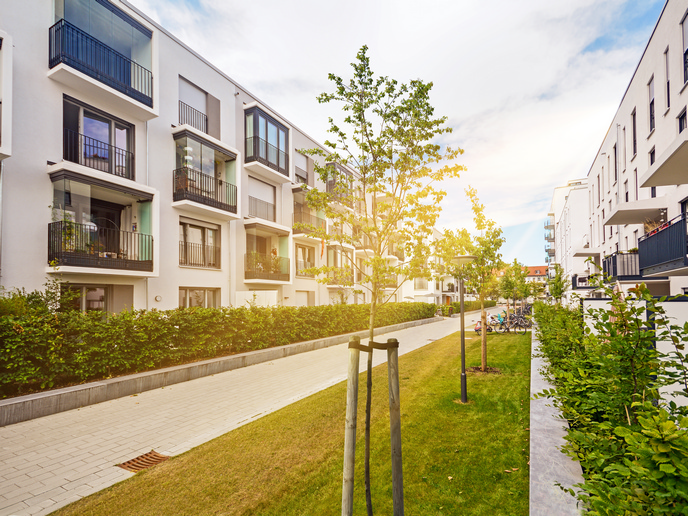
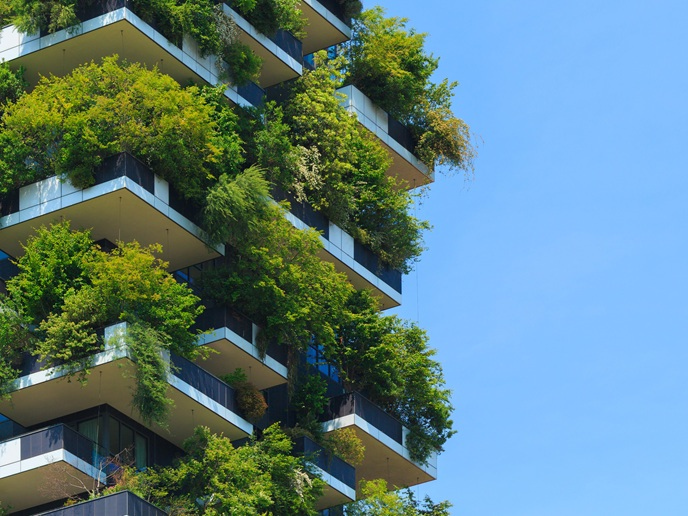
Urban areas are particularly vulnerable to several complex challenges due to the concentration of people and facilities. The conventional approach to urban planning often fails to deal with the needs of local communities, resulting in solutions that are not socially acceptable and lack a necessary return on investment. The URBREATH(opens in new window) project is developing a comprehensive methodology for urban revitalisation, resilience and climate neutrality that will lead to nature-based solutions (NBSs) in selected urban areas. “This approach centres around community participation and the implementation of NBSs, supported by advanced technologies such as digital twin and AI,” comments Marcella Bonanomi, senior research associate and project manager at the Lisbon Council for Economic Competitiveness and Social Renewal asbl, the Brussels-based think-tank coordinating the project.
Digital tools for urban regeneration projects
URBREATH is establishing integrated and transparent urban planning practices through local living labs (LLLs) that engage authorities, citizens and various other stakeholders in the co-design and testing of urban revitalisation plans. Tools such as digital twins enable stakeholders to visualise and simulate the different NBS scenarios and the associated impact, leading to more informed and shared decisions. LLLs have been set up to test solutions directly in real-life settings in the four Frontrunner Cities (FRCs): Cluj-Napoca, Leuven, Madrid and Tallinn. These LLLs are currently gathering data through co-creation workshops to inform the design and implementation of NBSs. Project development plans for NBSs are being developed for the five Follower Cities (FLCs): Aarhus, Athens, Kajaani, Parma and Pilsen. Key performance indicators have been defined for both FRCs and FLCs, and initial simulation data has been gathered to measure the ex ante impact of the planned interventions against target values. The project has made significant progress in developing its technical infrastructure. The specific requirements of the pilot cities have been collected and translated into technical specifications. Based on these, the URBREATH toolbox architecture has been designed, with interoperability being a core feature, using simple, shared technical agreements to facilitate seamless data transfer from the pilots. Several tools are now integrated and available in the URBREATH User Interface(opens in new window).
Transforming cities from the ground up
In the next months, the FRCs involved in URBREATH will begin working on the deployment of the NBSs that have been co-designed together with local communities. This ensures that each intervention reflects local priorities and meets specific needs. In addition, it will refine and calibrate tools based on the feedback provided by the cities during the co-design and testing. URBREATH (Systemic Integration of Transformative Technical and Nature-based Solutions to Improve Climate Neutrality of European Cities and Regions and tackle Climate Change: the URBreath Approach) also plans to develop a roadmap to transfer its methodology and tools to other cities and regions. It will provide frameworks for innovative financing and collaborative procurement models to ensure the long-term financial sustainability of NBS projects. By working closely with platforms such as NetZeroCities(opens in new window), the project seeks to promote synergies and the widespread uptake of its solutions, contributing to the EU’s goal of having over 100 climate-neutral and smart cities by 2030. “By placing communities at the heart of the decision-making process, the project aims to boost citizens’ quality of life and satisfaction with their urban space,” concludes Bonanomi. If you are interested in having your EU-funded project featured as a ‘Project of the Month’, please send us an email to editorial@cordis.europa.eu and tell us why!