Unlocking ocean’s treasures

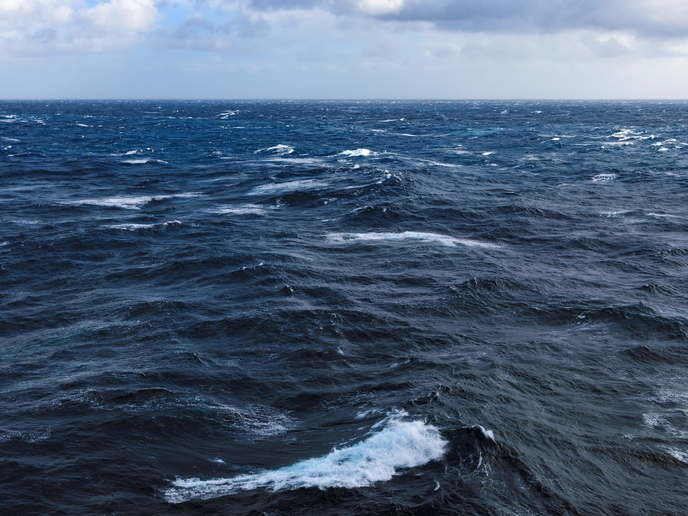
The ocean microbiome is a vast, largely unexplored reservoir of biological diversity. Marine microorganisms including bacteria and algae play essential roles in nutrient cycling, food webs and ecosystem health. At the same time, their genetic diversity could provide sources of new medicines, materials, enzymes and environmental solutions. However, unlocking this potential remains challenging because most of the marine microbiome has not been characterised.
Insight into marine microbiome
The EU-funded BlueRemediomics(opens in new window) project set out to explore marine microbiome data and accelerate the discovery of sustainable microbiome-based products, processes and services. The consortium addressed barriers such as fragmented datasets and limited access to marine genetic resources. “Our goal was to extract knowledge from DNA data collected from marine microbes worldwide,” explains project coordinator Robert Finn. The project employed the MGnify microbiome resource(opens in new window) as a focal point and applied advanced computational tools to transform short-read sequencing data into metagenome-assembled genomes. These provide information on proteins, metabolic pathways and biosynthetic gene clusters, helping researchers investigate the functions encoded by marine microbial communities. The project also developed protocols for culturing, screening biological functions and scaling up processes, strengthening the link between genomic discovery and practical applications.
From marine resources to sustainable solutions
“A major focus of BlueRemediomics was the potential of the marine microbiome to support a more sustainable blue bioeconomy,” highlights Finn. Partners explored microbiome-based solutions for aquaculture, including probiotics aimed at improving salmon welfare and farming productivity. They also investigated enzymes that could help reduce fish-bone waste(opens in new window), as well as microorganisms associated with salmon resilience during the transition from controlled environments to sea cages. Environmental applications were another priority. The project developed approaches to identify and predict the functional properties of plastic-degrading proteins(opens in new window), supporting the search for enzymes that could contribute to solutions against marine plastic pollution. Researchers also investigated microbial bioremediation of UV-blocking compounds from sunscreens, an emerging marine pollutant. By linking information on microbial communities, genes and environmental conditions, the project is also developing an Ocean Microbiome Health Index. This could help identify ecosystem stress, connect human activities with changes in ocean health and support efforts to restore healthy marine environments.
Balancing innovation with ocean health
“Unlocking the potential of the marine microbiome requires not only data and technologies, but also legal frameworks and societal dialogue to ensure that innovation contributes to healthy oceans and benefits society fairly,” emphasises Finn. This principle is particularly relevant to the BBNJ Agreement(opens in new window), the international framework for conserving and sustainably using biodiversity in areas beyond national jurisdiction. BlueRemediomics has supported its implementation by engaging in policy processes, symposiums and workshops. Moreover, the project developed policy briefs, scientific resources and training materials on marine genetic resources, access and benefit sharing, and intellectual property. By combining open microbiome data, biotechnology, policy engagement and capacity building, BlueRemediomics demonstrates how marine biodiscovery can contribute to the blue bioeconomy while supporting the protection of ocean ecosystems.