New data shows how rivers and streams can signal health risks

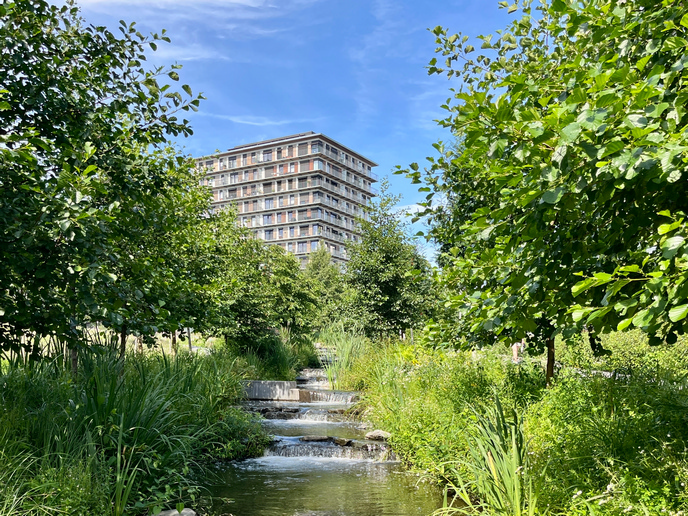
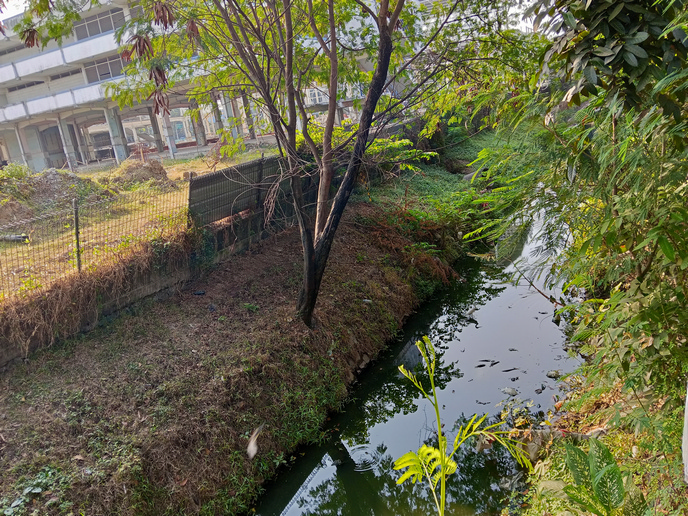
Small streams run through cities between roads, buildings and parks. Pollution, paved banks and lost vegetation can damage them. The EU-funded OneAquaHealth(opens in new window) project studied 100 streams in Coimbra, Toulouse, Benevento, Ghent and Oslo. Coordinated by the University of Coimbra(opens in new window), the team combined water and wildlife samples with satellite and health data to identify risks to animals and people, and guide the restoration of damaged streams.
Medicines, harmful bacteria and mosquitoes in city streams
The team examined how urban development affected the health of aquatic ecosystems. Changes in fish, frogs, birds, microscopic algae and insects appeared alongside three areas of concern for people: medicines, harmful bacteria and disease-carrying insects. Medicine residues were found in almost every stream. As OneAquaHealth project coordinator Maria João Feio of the University of Coimbra says, “Pharmaceuticals used to treat human diseases were also present in 91 % of the urban streams, and in 75 % of them they occurred in mixtures with the potential to affect aquatic organisms and be integrated into the human food chain.” Bacteria capable of causing human disease varied by location. The team found flying insects beside every stream including mosquitoes that can transmit disease. Culex pipiens appeared in all five cities, while Aedes mosquitoes appeared in some. Signs of disease in frogs and deformities in microscopic algae were also associated with urban damage. A separate analysis compared European stream conditions with health records. Poorer stream condition was associated with higher mortality from digestive and circulatory diseases, cancer and intentional self-harm, as well as shorter life expectancy, after differences in socio-economic conditions were considered. Further research is required to explain these associations.
Artificial intelligence predicts how city streams may change
The team also used environmental data to anticipate future changes. As Feio explains, “We used machine learning models to predict the effect of alteration in the environmental conditions of urban streams, including climate change and restoration scenarios, over some of the above key indicators (biological communities).” The models combine wildlife records with field and satellite measurements. They estimate how changes to bank vegetation, water quality, rainfall, temperature, dams, paved land and artificial light could affect wildlife and related health risks. Dashboards and maps are available on the project website and feed its developing environmental surveillance system.
Practical measures for restoring damaged city streams
These results point to three ways cities can improve damaged streams: protect native vegetation and natural banks, keep nearby land and floodplains unpaved, and remove pollutants such as medicine residues. Cities need regular measurements to track those improvements. As Feio notes, “There is presently a lack of monitoring of most of the ecological and biological indicators that we studied within urban areas and municipalities.” Residents can contribute through the project’s citizen-science app(opens in new window), which was developed using feedback from local focus groups and is available in six languages. In the app, users record a stream’s flow, habitats, vegetation, altered banks and channels, and assess its condition. Many focus-group participants said they had not known certain local streams existed. Cities should pair public reports with regular monitoring of wildlife, disease-carrying insects, microorganisms and medicine residues. Public-health institutions should provide local illness data. Together, these sources could show whether restoration is working and where action is most urgent.