Reducing the environmental footprint of humanitarian aid

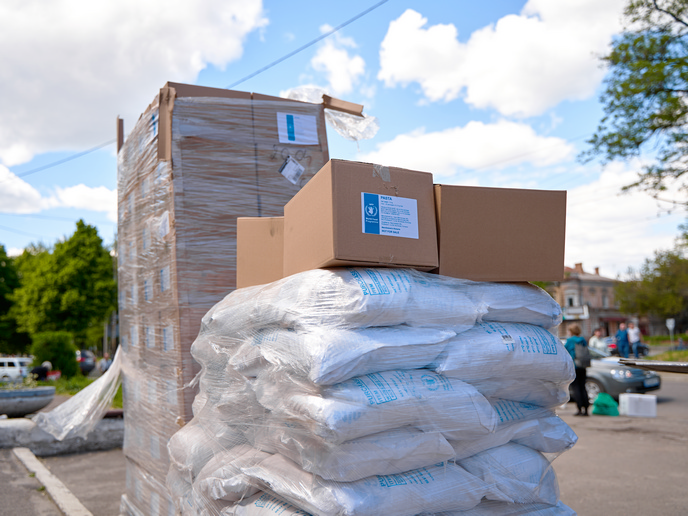
Humanitarian operations generate considerable amounts of solid waste, ranging from packaging and disposable materials used to deliver aid, to everyday items such as hygiene products, food and water containers. Organic waste, including food waste, also presents significant management challenges. This is particularly problematic in crisis-affected regions, where waste collection, recycling and treatment infrastructure is often limited or unavailable. The Bio4HUMAN(opens in new window) project considered the problem from multiple angles looking beyond packaging. The team explored both bio-based alternatives to conventional products and innovative technologies to transform waste into useful resources, such as compost, animal feed or biogas. As project coordinator Andrea Motola(opens in new window) from Enspire Science(opens in new window) explains: “We wanted to explore how innovations from the bio-based sector could help humanitarian organisations reduce their environmental footprint and manage waste more sustainably, without compromising the effectiveness of the assistance they provide.”
Understanding waste-management challenges in humanitarian settings
To make sure the work carried out was relevant and productive, the project identified needs and gaps. They began by identifying the main solid-waste management challenges faced by humanitarian organisations. This involved a review of existing research and practices, together with field research in the Democratic Republic of the Congo and South Sudan, conducted by their humanitarian partners, People in Need and Polish Humanitarian Action. “Through surveys, interviews, focus groups and on-site observations, we examined the types of waste generated, existing waste-management practices, infrastructure and capacity gaps, and opportunities for improvement,” says Motola. They went on to examine the range of products, technologies and systems offered by the bio-based sector. Building on the findings, the team searched for existing and emerging bio-based solutions that could address the needs identified in the first phases. This work forms part of a focus on sustainable waste management that the EU supports.
Assessing bio-based solutions and their potential
Through interviews and focus group discussions, the project engaged local communities, humanitarian organisations, government authorities, businesses and researchers to understand their views on 10 selected bio-based solutions. These include biodegradable hygiene products and packaging, biogas systems and technologies using black soldier fly larvae to process organic waste. The project’s sustainability assessments revealed that bio-based alternatives are not automatically more environmentally friendly. Their benefits depend on product performance, costs and local waste-management systems. The research also exposed major barriers to adoption, including limited infrastructure, procurement restrictions, regulatory gaps and insufficient funding for sustainable waste management. “One of our priorities was to ensure that Bio4HUMAN’s results remain useful beyond the project’s lifetime. We therefore developed a Replication Roadmap(opens in new window) including a practical readiness checklist and cost-assessment tools, to help organisations evaluate and adapt solutions to local conditions,” notes Motola, adding: “I hope Bio4HUMAN will serve as a starting point for the next steps, rather than an end point.”