New insights into environmental impact of hydropower

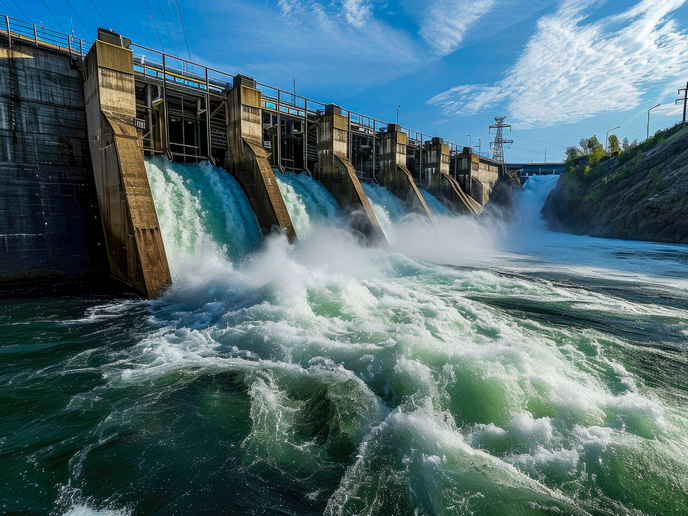
Hydroelectricity has huge potential to help meet growing global demand for power. In Ecuador for example, where there is intense rainfall and mountainous terrain for creating reservoirs, the technology has been seen as an untapped opportunity waiting to be exploited. “One of the logical directions for a country like Ecuador is towards hydropower,” says HydroCORE(opens in new window) project coordinator Peter Goethals from Ghent University(opens in new window) in Belgium. “However, we need to know more about how stable electricity supply is, and what can be done to make it more controllable.” There are also knowledge gaps about how hydropower plants impact water quality and biodiversity, and the needs of other sectors such as agriculture. “If we are storing pollutants in these reservoirs, what effects will we see?” adds Goethals.
Impact and efficacy of reservoir-based hydropower
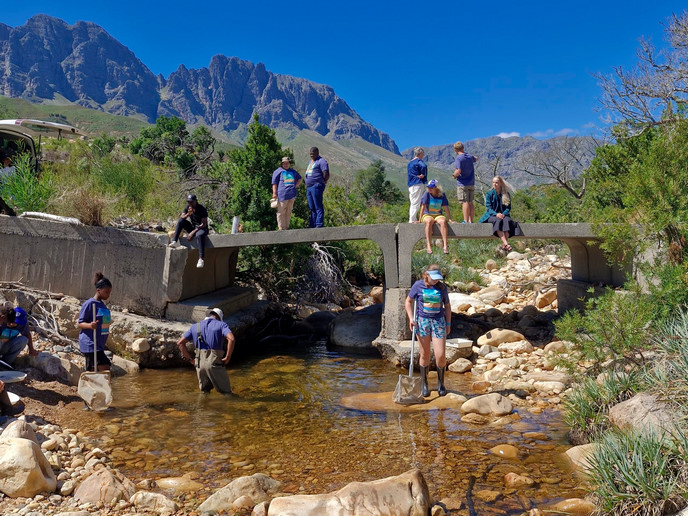
The HydroCORE project, which was supported by the Marie Skłodowska-Curie Actions(opens in new window) programme, set out to monitor, analyse and illustrate the impact and efficacy of reservoir-based hydropower in Ecuador through water quality testing and modelling. Local organisations provided critical support. Universities and meteorological organisations for example provided valuable data essential for climate modelling. Wastewater treatment plants provided information on what they discharge and what they purify, while additional input was provided by local hydropower companies and water authorities. Over a period of two years, eight sampling campaigns were run across different seasons. “We gathered chemical data on the presence of organic matter, but also biological data on the state of invertebrates like worms, snails, insect larvae,” notes Goethals. The project team also measured greenhouse gases, which can be emitted by natural water systems. If a body of water is trapped in a reservoir, organic matter from rivers can sink to the bottom where methane and other harmful gases are released.
Hydrological models to predict water behaviour
From this combination of data and in situ analysis, the team built hydrological models to represent and predict the behaviour of water flow from hydropower systems. Because the project ran during a period of extreme drought, the team was operating at a time when energy generation was very low. “Modelling enabled us to gain a better understanding of how hydropower can impact both energy production and water quality,” remarks Goethals. “We were also able to work out the points where action could be taken to ensure a better functioning system.” In this way, the models can help align robust energy production with safe drinking water and biodiversity protection. Moving forward, Goethals hopes that the work will provide insights into where best to locate new hydropower plants.
Modelling insights applied to cities
The work of HydroCORE will also have implications for Europe. Goethals notes that the droughts and extreme weather experienced during the project have also been seen here. Furthermore, the hydrology models could have relevance to a range of water management issues. “We are trying to apply the models here in Belgium,” says Goethals. “In the city of Bruges for example, cyanobacteria blooms are occurring because water is not passing swiftly enough through the canals. Water is being imported from elsewhere, which is not a sustainable solution.” Goethals and his team are looking at how modelling insights could be applied to cities such as Bruges. The hope is that the work of HydroCORE will not only help countries to navigate towards stable energy production but also enable them to address a range of water issues.