Transforming managed aquifer recharge into proactive, climate-aware groundwater protection

Groundwater is under growing pressure from climate change and broader global change. Drought and increasing water demand are depleting aquifers while heavy rainfall, flooding, sea-level rise and saline intrusion are increasing groundwater contamination risks in vulnerable coastal areas. Agriculture, urbanisation, and domestic and municipal waste add further threats, introducing nutrients, pharmaceuticals and per- and polyfluoroalkyl substances (PFAS) into groundwater supplies. Managed aquifer recharge (MAR) – storing surface water, stormwater or recycled water underground – is a partial solution. The EU-funded MAR2PROTECT(opens in new window) project moved beyond recharge. Combining complementary technologies for pollution prevention, treatment and monitoring with climate- and global-change assessments, AI-backed modelling and decision support, the project aimed to protect groundwater while building resilience to climate and global change.
Proactive climate-aware groundwater protection
The project’s root-zone fertiliser retention system helps prevent diffuse groundwater pollution at source. In agricultural trials, it reduced the estimated nitrogen leaching risk by approximately 37 %, increased total leaf nitrogen by up to 58 % and improved root development. “MAR2PROTECT’s biobased-micropollutant adsorbent removed 80 % to 100 % of PFAS and 90 % to 100 % of pharmaceuticals in pilot-scale validation – better than commercial alternatives with lower environmental impact and operational costs,” explains project coordinator Ana B. Pereiro of the NOVA School of Science and Technology(opens in new window). A low-cost algae-based online ecotoxicity sensor detected nutrients and toxic substances in less than an hour, offering an early-warning tool for water-quality deterioration. Two digital tools complete the portfolio. The climate-aware REACH model that forecasts groundwater quality and quantity was successfully validated in the El Señorío aquifer. It reproduced hydrogeological dynamics with high accuracy while supporting climate change vulnerability assessments. An AI-enabled decision support system helps MAR operators evaluate combined monitoring, modelling and risk information to make more informed groundwater management decisions.
Demos and living labs showcase co-design potential
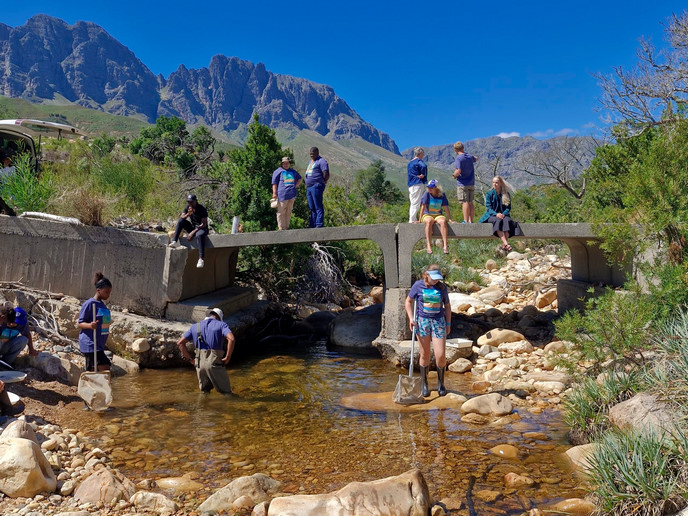
The MAR2PROTECT project tested the approach at seven demonstration sites linked to coastal aquifers affected by salinity intrusion across four EU countries, Tunisia and South Africa. They represented different climates, pollution sources, MAR configurations as well as social and institutional contexts, and confirmed that groundwater protection and MAR cannot rely on a single, one-size-fits-all solution. Living labs at each demo site showed how stakeholder engagement is an essential component of the transformation to holistic proactive groundwater protection. They combined technical demonstrations with stakeholder co-design and civil society engagement, connecting communities directly with the science shaping their water supply. For example, in Cape Flats, government and agricultural stakeholders co-designed technology demonstrations followed by activities with local schools on groundwater contamination and monitoring. “Student engagement also featured in the Lima River Estuary, where field activities, water sampling and a constructed-wetland demonstration connected communities with pollution, phytoremediation and climate resilience issues,” notes Pereiro.
Turning findings into EU water policy
Although MAR is already widely used across Europe, MAR2PROTECT’s policy analysis found there is no clear EU framework. The project developed recommendations for national and EU policymakers, including harmonising MAR-related requirements, addressing diverging pollutant lists and improving groundwater protection monitoring and reporting. A parliamentary session in Brussels brought these findings directly to European policy sectors and stakeholders, informing priorities for Europe’s future water policy. The project also joined other EU projects tackling groundwater contamination and resilience in the ZeroPollution4Water Cluster(opens in new window), which will influence policy and practice beyond the project’s duration. “The MAR2PROTECT project has shown that MAR can become preventive and holistic rather than reactive, addressing groundwater quality and climate resilience alongside groundwater quantity,” says Pereiro. Policy briefs, peer-reviewed articles and 21 open datasets will help water utilities, policymakers, farmers and communities worldwide protect groundwater as climate pressures intensify.