Advanced computer model for coastal zone management

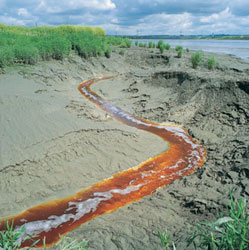
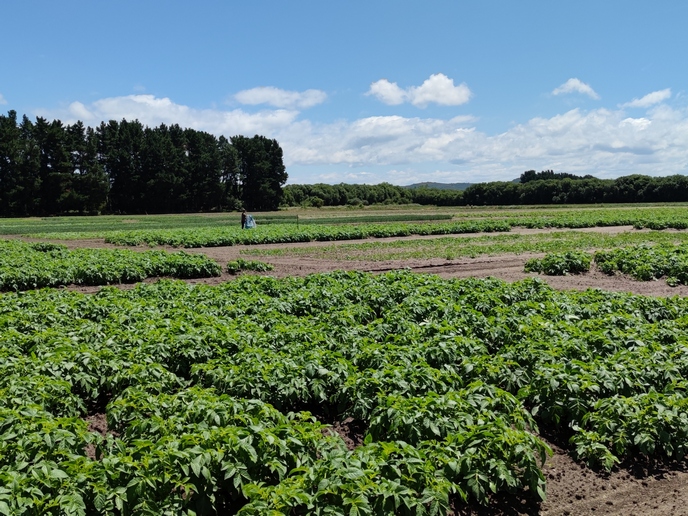
Some of the nutrients that are applied to the surface of land used for agriculture infiltrate into the underlying ground-water system. These nitrate-bearing waters discharge to streams that provide large amounts of flow eventually entering the marine environment through the seabed. This input of groundwater is of particular significance for water quality, species variety and productivity of marine environments, particularly, because their nitrate concentrations and bioavailability are susceptible to human manipulation. Unfortunately, there is lack of quantitative knowledge on the biogeochemical processes involved in the transport of nitrate bearing groundwater into the marine environment. This was the overall objective of the NAME project, to resolve the importance of this input of groundwater and study the involved processes in detail. As part of the project suitable modelling tools were developed. They were specifically designed to quantify the fluid flow and the reactive transport of organic matter and nitrate for the highly-permeable, sandy near-shore environments. Existing software for multidimensional model prototyping were used and extended to describe the coupled reaction-transport processes. A finite element approach was implemented and aimed at enabling this integrated study of mechanical and biochemical factors that control the advective and diffusive transfer of mass in the groundwater. The front-end flexibility, combined with high data management performance of the prototype-software code allows an economical and efficient way to quantify chemical and biological activity within the fresh-marine transition zone. Overall, it has the potential to advance the understanding of cumulative and chronic effects of nitrate entering the sea and related environmental issues. Thus, the results of the modelling work are envisaged to contribute in the administration and regulation of fertilisers and other sources of nutrients near coastlines.