Assessing soil quality in Glasgow

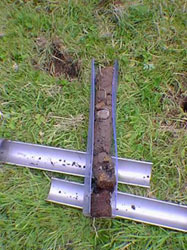
Soil contamination in urban environments is a growing problem. Toxins lodged in the soil can affect local plant life, enter underground water supplies and can even be resuspended in the atmosphere where they can be inhaled by humans. Chemists with the University of Strathclyde in Scotland involved in the URBSOIL project sponsored by the Energy, Environment and Sustainable Development Programme undertook an extensive soil monitoring campaign. Samples were gathered from nearly one hundred sites at parks, roadsides, riverbanks and gardens across the city of Glasgow. The samples were analysed according to the four-step sequential extraction method proposed by the European Union's Bureau Communautaire de Référence (BCR). The Scottish scientists did not observe large variability in species fractionation between sampling sites. However, issues with the lability of some components (e.g. lead) were raised and should be dealt with in future revisions to the procedure. The Contaminated Land Exposure Assessment (CLEA) thresholds set by the UK's Environment Agency were exceeded for lead, chromium and nickel at a small number of sites. Aiming to determine the origin of these potentially harmful heavy metals, the University of Strathclyde chemists performed Principal Component Analysis (PCA) on the data. Elements with low variability, such as aluminum, iron, lithium, magnesium and manganese, were classified as deriving from natural sources. Lead, barium, zinc and other species were, on the other hand, indicated by the PCA analysis as being of anthropogenic origin while the results for chromium were inconclusive. The University of Strathclyde believes that PCA analysis has been demonstrated as a valuable tool for the authorities in the assessment of urban soil quality. Future research will focus on refining the methodology developed in the context of URBSOIL.