Simulation of aerodynamic characteristics of parafoils and parachutes

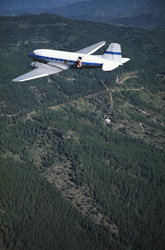
Aircraft emergency recovery systems are widely used to improve the safety of passengers and crew in cases of accidents involving crash, collision or failure of aircraft systems. Additionally, aircraft delivery systems are employed for humanitarian aid purposes in areas where large transport airplanes are unable to land. The FASTWING project extensively investigated technologies to enhance precision and autonomy in the aerial delivery of heavy loads ranging from 500kg to 10 tons. Within this context, advanced aerodynamic design tools and methods were developed and are expected to be employed in aerial delivery and recovery concepts. One of these is a sophisticated simulation tool that allows an aerodynamic analysis of ram-air parachute systems, which is a highly complicated and critical task. Normally, due to the interaction of the flexible textile wing structure with the pressure distribution coming from surrounding flow fields, unsteady processes are difficult to predict. These varying and unsteady processes may be related to canopy deployment, spreading and filling, as well as dynamic flight manoeuvres, like landing flare or rapid turn initiation. Moreover, special and highly complicated characteristics of the parafoil-payload system also contribute to the complexity of the aerodynamic process analysis. Until now, theoretical methods on hand describe the aerodynamic behaviour of fully inflated ram-air canopied under steady flight conditions. A few of them take into consideration an iterative coupling between a solver for the flow and a deformation analysis of the textile wing structure and this is just one aspect of the coupling. Urged by this, the offered tool is a unique combination of up-to-date flow simulation with a suitable representation of the structural part. The increased complexity involved with all kinds of analyses established indicated that design and panel methods may be further improved, hence opening new horizons to innovative design alternatives. Collaboration is sought by designers and/or manufacturers of parafoils and similar equipment including hang gliders, kites, and sails.