Analysing biological weed management alternatives

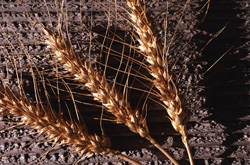
The potential for exploiting allelopathy as an alternative plan for weed, insect and disease control in plants has been in consideration for some time. Before such a strategy could be implemented, however, its environmental and toxicological effects had to be examined. Therefore, an environmental and human risk assessment of using the allelopathic properties of wheat in modern farming was conducted. Furthermore, a framework for future assessments of allelopathic crops was developed. Taking this a step futher, analytical methodology was designed and confirmed in order to measure hydroxamic acids, lactams and benzoxazinones in wheat cultivars in both organic and conventional farming methods. Also calculated were benzoxazinone derivatives as aminophenoxazinones and corresponding malonamic acids found in surrounding soils. An inter-laboratory study provided the analysis which resulted in accurate methodology. The allelopathic dimensions of wheat in conjunction with low environmental persistence and low toxicities will raise the chances of farmers making a good production. The results obtained should prove important in implementing the use of such chemicals in agriculture as a friendly alternative to pesticides.