Assessing the hazards of using allelochemicals in crops

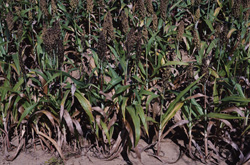
Allelopathy strategies offer control of weeds, insects and diseases by suppressing a plant's growth through release of toxins from another plant of the same or another species. Until now, their harmful impact on the environment and ecosystems has not been studied in detail. Allelopathic compounds have already been identified in wheat, one of the major crops in Europe. Urged by these, the FATEALLCHEM project focused on studying the environmental and human risk related to the widespread use of allelopathic wheat. The results will contribute in the development of a framework for future assessments of allelopathic corps. Various geo-environmental factors, such as the amount of nutrients in the soil and climatic parameters including temperature and solar radiation may affect the content of allelochemicals. For this reason researchers investigated the amount of allelochemicals and their metabolites in wheat of different origins and growth under various climatic and environmental conditions and in different farming systems. Within this context suitable protocols for the synthetic derivation of wheat allelochemicals and their main degradation products were carefully prepared. Optimisations from previously reported works, and new procedures were also included for improving the synthetic methodologies. The optimised synthetic methodologies resulted in the derivation of compounds belonging to three different structural families. These included benzoxazinones, hydroxyphenylmalonamic acids and aminophenoxazinones coming from natural allelochemicals DIMBOA and DIBOA. These were undergone further studies for the analysis, bioactivity evaluation and determination of fate and toxicity of the compounds. For more information click at: http://www.fateallchem.dk(opens in new window)