Tracing biogeographical origins

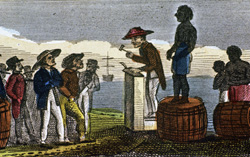
Geneticists have attempted to answer questions of origin using modern genetic data to trace back populations and individuals to particular geographical regions of Africa. However, this approach is not without its setbacks given the considerable population movements to and within the Americas since those years. As such, modern genetic distributions cannot be relied on for accuracy. The ‘Ancient DNA and the Atlantic slave trade: A search for origins’ (ROOTS) project took a different approach using ancient DNA (aDNA) analyses to trace the biogeographical origins of these African slaves. aDNA analyses on archaeological skeletal remains enables the testing of hypotheses based on modern data and so EU-funded researchers set out to reconstruct the ancestral relationships of African slaves and their descendants directly. Project outcomes showed that endogenous DNA can be retrieved from archaeological skeletal material from contexts other than those usually associated with aDNA research. Retrieval of authentic aDNA sequences from skeletal material in the Caribbean points to an exciting path for aDNA research activities and the potential knowledge they can generate. ROOTS members were also successful in showing that targeted sequence capture, when coupled with next-generation sequencing, offers a promising way to isolate, amplify and analyse specific DNA sequences and retrieve complete mitochondrial genomes. The latter enabled project partners to significantly increase the phylogenetic resolution of molecular analyses. Despite this new knowledge, research showed that unfortunately it is still not possible to trace maternal ancestry beyond broad geographic regions. As such, more knowledge is needed – as well as caution regarding popular media claims about the promise of this approach.