Roots of pastoralism

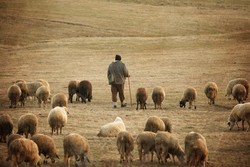
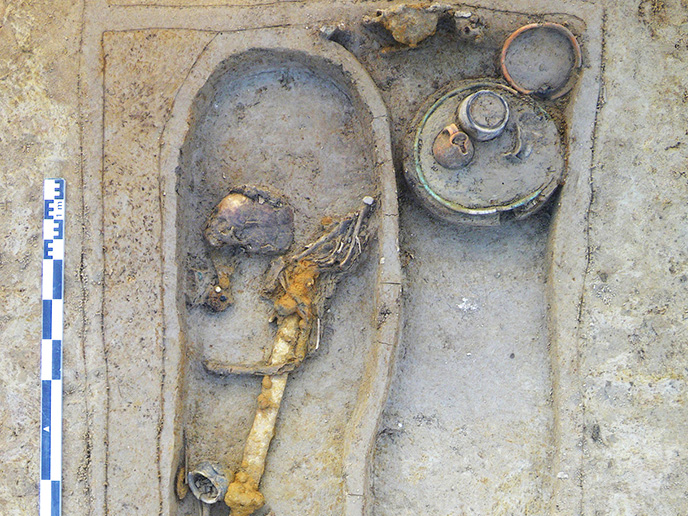
Mountain cultural landscapes are defined as areas that have been largely shaped by past human activities such as intensive pastoralism. The burning of forests dating back to the Neolithic period created pastures for pastoral use. Grazing of mountain areas created long-term effects such as erosion which caused permanent landscape changes. The HUMANSCAPES (The origins of intensive pastoralism and the creation of cultural landscapes in North-Eastern Spain) project used the Garraf Massif mountain range of the Catalan Coastal Range to study the first intensive pastoral use and animal movement in NE Spain. The area was a good choice since it is representative of degraded landscape today, but was not this way in the past. Around the seventh century BCE societies were forming in the Iberian peninsula resulting in agricultural surplus. The approach used combined disciplines such as landscape archaeology, remote sensing, survey, excavation and palaeoenvironmental analyses. There were no animal bones found and the charcoal and organic material found during the excavations was not adequate for radiocarbon dating. However, sediment was taken and dated using micro-sample AMS radiocarbon dating. This method proved reliable and morphed a chronological structure for the development of intensive pastoralism in the Garraf. Results suggest the area was used as animal. Thus pastoral use of the Garraf is evident. The findings are useful in creating management policies that incorporate the particular environmental and cultural character of each cultural landscape.