


Prodi extends Ethics group's remit
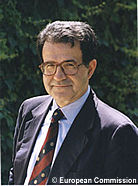
Commission President Romano Prodi announced this month that he wishes to strengthen the role of the European Group on ethics in science and new technologies (EGE). The group was set up in 1997 to advise on ethical aspects of science and technologies - not just biotechnologies - in connection with the preparation and implementation of Community legislation. According to the Commission, the EGE's remit has been amended in order to: - ensure that the other Community institutions have access to the group, stipulating that the 'Parliament and the Council can draw the Commission's attention to questions which they consider to be of major interest from the ethical angle.' The group also retains the right to act on its own initiative on questions it considers important; - highlight the fact that the group is independent, multidisciplinary and pluralistic; - extend the term of office from three to four years, while leaving the number of members unchanged at 12; - enhance the working methods of the group, which may for example establish closer links with different ethics committees in the European Union and applicant countries and initiate any studies it deems necessary for preparing its opinions. In addition, the Commission has appointed new members of the group. 'In order to ensure the coherence and continuity of the groups' work, five of the 12 members served in the previous group,' reports the Commission. 'The balance of disciplines has also been maintained, with one third of the group being lawyers, one third scientists and one third representatives of the social sciences (philosophy and theology).' At the request of President Prodi, the EGE's first task concerns the ethical aspects of the patentability of living matter, in particular inventions involving the use of stem cells from human embryos. French lawyer Noëlle Lenoir remains as Chair of the group.