


EU energy sector makes insufficient progress in reducing environmental impact
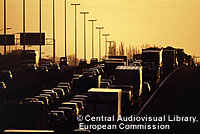
The EU could be at risk of missing its Kyoto Protocol target for the reduction of greenhouse gases unless policy action is taken now to change long term patterns of energy production and consumption, according to the European environment agency's (EEA's) first report on energy and environment in the EU, published on 30 May. 'Energy and environment in the European Union' shows that although EU emissions of greenhouse gases fell by 3.5 per cent between 1990 and 2000, additional measures will be needed to stop a projected rise in energy related emissions, driven mainly by strong demand for transport fuels, from driving emissions back to their 1990 level by 2010. The report says that the fall in energy related greenhouse gas emissions over the last decade was achieved through reductions from the manufacturing and energy supply sectors, which were largely offset by transport sector growth. The EEA warns that unless action is taken, the EU could risk missing its target under the Kyoto climate change protocol of cutting greenhouse gas emissions to eight per cent below their 1990 levels by the years 2008 to 2012. Furthermore, energy consumption levels, which rose by an average of 1.1 per cent a year between 1990 and 1999, are expected to continue increasing beyond 2010. This increase in consumption, mainly attributed to transport growth, will make greenhouse gas emission cuts difficult to achieve unless policy action is taken now to change long term patterns of energy production and consumption, says the EEA. 'The report shows that, while there have been some successes, overall progress in building environmental protection needs into energy policy has so far been insufficient,' said EEA Executive Director Domingo Jiménez-Beltrán. 'It also demonstrates that some countries and sectors in the EU are doing much better than others. The EU could improve its overall record if those Member States whose performance is below average were to learn from the leaders,' he added. The report uses progress indicators to assess how effectively environmental policies and concerns are being integrated into energy policies in the EU and its Member States, one of the stated goals of the EU Treaty. It highlights that, despite increases in energy taxation, most energy prices in the EU have dropped since 1985. This trend is likely to discourage energy saving efforts and may even encourage energy consumption unless policies are put in place to improve energy demand management and integrate energy's 'external' costs - to the environment and human health - into its price, the report warns. The report also shows that while innovation is needed to help develop less-polluting technologies, spending on energy research and development fell by around 30 per cent between 1990 and 1998. It warns that the growth rate of electricity produced from renewable energy sources - 2.8 per cent per year between 1990 and 1999 - needs to double if the indicative target of raising renewables' share of EU electricity consumption to 22.1 per cent by 2010 is to be reached. The report also reveals progress in some areas. It shows that measures to cut air pollution from energy use have been successful and that discharges of oil into the sea have been reduced. Manufacturing industry has successfully 'decoupled' its energy consumption from its economic growth, although it is the only sector to have done so. Its energy consumption in 1999 was about the same as in 1990.