


European scientists discover vital biological function of key protein in Alzheimer's
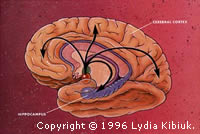
German and Italian scientists have discovered that the protein responsible for triggering Alzheimer's disease conversely plays an important role in the body's defence against ultra violet (UV) radiation. It is thought that Alzheimer's is caused when brain cells are destroyed by protein masses, known as plaques, found in the cerebral cortex. These plaques are primarily made up of Abeta peptides, split components of amyloid precursor proteins (APP). APPs have been detected not only in the nerve cells of the cortex, but in almost all cell types found in the body. Perplexed as to why the human body would create a protein so life threatening, scientists from Bonn University and the Rome laboratory of tissue engineering decided to take a closer look at APP and its by-product, soluble APP (sAPP). The team discovered that the body normally breaks down APP in a way that enables sAPP to be released, a process which prevents the formation of Abeta peptides. During their experiments, the scientists also found that the release of sAPP, along with the presence of an intact APP, also plays a central role in stimulating the transport of pigment melanin to the outer layers of the skin. The whole protein ensures that the transportation of the pigment is carried out properly from start to finish, thus helping the skin cells to effectively absorb the melanin and protect their sensitive DNA from the impact of UV radiation. 'The Abeta peptide might therefore be a pathogenic remnant of a protein otherwise vital to our well-being,' speculates Volker Herzog, one of the scientists involved in the study. 'APP reveals two extremely different faces: on the one hand, it can prove to be the cause of an highly threatening disease if the Abeta peptide is released; on the other hand, it performs vital functions when it is correctly broken down and the sAPP is released,' he surmises.
Countries
Germany, Italy