


Scientists aim to develop conscious robot
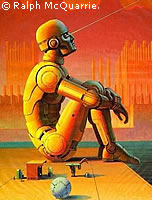
Researchers from the UK are launching an ambitious project to develop a conscious robot, with the aim of advancing the technology of intelligent machines and improving our understanding of human consciousness. The initiative brings together computer scientists from the University of Essex and neuropsychologists from the University of Bristol. The UK's engineering and physical sciences research council (EPSRC) is providing 700 000 euro for the project from its 'adventure fund', a programme that supports highly ambitious research with a considerable element of risk. 'Consciousness is perhaps the last remaining mystery in understanding what it is to be human. By attempting to build physical systems which can produce a form of artificial consciousness, we hope to learn more about the nature of consciousness,' explained Owen Holland, senior lecturer in computer science at the University of Essex and leader of the project. The robot will be designed and built in a new state of the art robotics laboratory at the University of Essex, scheduled for completion in 2004. Meanwhile, a team at the University of Bristol's psychology department, led by Professor Tom Troscianko, will develop those parts of the robots 'brain' that deal with vision. Professor Troscianko is an expert in the neuropsychology of primate vision. Much of what is known about consciousness comes from the study of visual experience and visual imagination, and the team will attempt to make the artificial systems match the systems of humans and apes as closely as possible. They will then place the robot in complex environments where it must imagine itself trying out various actions before choosing the best one. Powerful computers will analyse and display what is going on in the robots brain, and the team will use the data to look for signs of consciousness. Mr Holland is cautious about the team's chances of success, but believes that the project's results will be of value whatever the outcome: 'Like all projects in the adventure fund, there is quite a high risk of failure. However, whether we succeed in detecting consciousness or not, this project will certainly allow us to learn more about the operation of complex human-like visual systems, and will enable ourselves and others to build robots with better developed artificial intelligence in the future.'
Countries
United Kingdom