


EU project to turn tomato waste into nutritious food additives
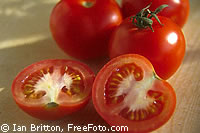
An EU project is developing a method for saving the waste left over after the processing of tomatoes, and using it as a natural and nutritious food additive. It has long been known that tomatoes are good for us. This is because they are packed with nutrient-rich substances such as carotenoids, proteins, sugars, fibre and oils. Some 40 per cent of a crop of tomatoes is currently collected as residue following processing, and is either discarded as waste or used as animal feed. The TOM project, supported with 425,000 euro from the European Commission and bringing together 11 partners from the EU and Slovenia, is working on a method to clean the residue so that it can be used as a food additive. The process developed by the TOM researchers first involves obtaining a crude extract by using the conventional but environmentally friendly method of washing the tomato residue with water and supercritical CO2. The next stage sees the use of affinity chromatography to raise the quality of the extract to 98 per cent purity. This removes most impurities left in the residue. The project was described by EU Research Commissioner Philippe Busquin as 'an example of how technology can help enhance European citizens' quality of life and turn sustainable development into reality.' Around 8.5 million tonnes of tomatoes are cultivated every year in Europe. Nearly 18 per cent is sold directly to consumers, and the rest is processed into foods such as ketchup, pasta sauce and canned goods. The final results of the two year project are expected in April 2005.