


Europe signs international treaty on biodiversity
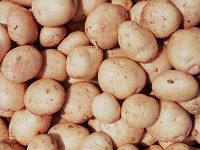
The European Community and nine of its Member States have ratified the International Treaty on Plant Genetic Resources for Food and Agriculture, making it possible for the Treaty to enter into force on 29 June. The treaty will ensure that plant genetic resources for research, breeding, food and agriculture are conserved and sustainably used, and that benefits from their use are equitably and fairly distributed across the North-South divide. 'Being party to this Treaty is essential for agricultural research and crop breeding in the EU,' said David Byrne, EU Commissioner for Health and Consumer Protection. 'I applaud the efforts of the negotiators who achieved the important agreement on sharing commercial profits for the mutual benefit of all. The EU will continue to strive for the inclusion of even more species in the multilateral system.' The Treaty is a legally binding agreement covering the most important agricultural crops, such as apples, rice, potatoes, maize, wheat and oats, as well as 29 forage species. Over time there has been a dramatic reduction in biodiversity. Access to a wide range of genetic resources will lead to the development of a greater variety of food products, which will help reduce the risk of disease and famine, and improve the lives and diets of consumers. Scientists, international research centres and plant breeders from public and private organisations will also benefit from enhanced access to genetic biodiversity. Indeed, parties to the Treaty will have guaranteed access to such genetic resources. Any public or private research or breeding institution in any country party to the Treaty can demand to receive seeds of crop species covered by it from a public institution in any other contracting country. The seeds will be free of charge and not subject to individual bilateral negotiations. Critics of the Treaty, however, say it has left many unresolved issues surrounding those technologies open, including intellectual property rights and the patenting of genetic resources.