


Swedish-Polish partnership reduces oil spill risk with double hull tanker design
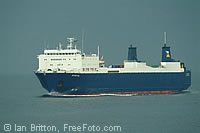
Research teams from Sweden and Poland have designed a double hull tanker which will dramatically reduce the risk of oil spills at sea. The Eureka project, Baltecologicalship, initially involved analysis of ship hull manufacturing processes and the study of traffic in the Baltic Sea area, which divides the Polish and Swedish scientists involved. The consortium then carried out a hydrodynamic and structural analysis of ships' hulls, systems and machinery with the aim of designing a ship that is environmentally friendly and economical to build. The double hull means that tankers will be able to withstand greater stresses, and oil will not leak following a collision. 'The new hull design also brings additional benefits,' said Bjorn Carlsson, managing director of Swedish partner Ecoship Engineering Ab. 'If you streamline the ship at the fore and aft ends then it produces less resistance. This will result in the ship using less fuel, as well as additional room for cargo. The researchers' immediate concern is the Baltic Sea - the world's largest body of brackish water (containing more sea salts than freshwater but less than the open sea), which plays host to many rare and unique ecosystems. The Sea is also one of the world's busiest shipping lanes, and is set to get busier with the construction of a new Russian oil terminal. The Sea is particularly at risk of serious pollution because of its shape - the Baltic is only connected to the North Sea by narrow channels, and a complete exchange of the sea's water takes around 30 years. The partners have applied the same design to create container and roll on-roll off ships, as well as river-sea vessels.
Countries
Poland, Sweden