


Commission authorises import of GM maize for animal feed
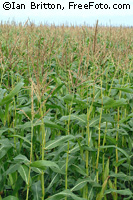
Maize modified by the US company Monsanto has been authorised by the European Commission, meaning that it can be imported into the EU and processed as animal feed. The decision does not cover use for human food or cultivation. The maize in question is known as MON 863, and has been genetically modified to make it resistant to corn rootworm. It has been subjected to a rigorous risk assessment, and is considered by the European Food Safety Authority (EFSA) to be as safe as any conventional maize. The authorisation is valid for ten years. MON 863 is the second product to be assessed and approved after the coming into force of a 2001 directive on the deliberate release of genetically modified organisms (GMOs) into the environment. The maize will now be subjected to strict labelling and traceability rules. Monsanto first submitted a request to market MON 863 in Germany. The authorities there found no scientific evidence of any risk to human health or the environment, but other EU Member States objected to it being allowed into the Union. Cited objections included molecular characterisation, allergenicity, toxicity, an inadequate monitoring plan, accidental spillage, presence of an antibiotic resistance marker gene, and detectability. EFSA looked at the objections, but found no reason for concern. EFSA published its opinion in April 2004. The Council of Ministers then failed to reach a common position on the Commission's proposal to place it on the market, and so as is stipulated in EU legislation, the Commission was required to adopt a final decision.