


JRC-developed toxicology test set to reduce experimentation on fish
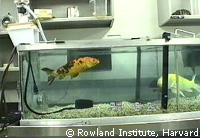
The Commission's Joint Research Centre (JRC) has helped to develop a new approach to testing the ecotoxicological effects of new chemical compounds which could significantly reduce the number of fish used in such experiments each year. Under EU rules, the ecotoxicological effects (the harmful effects on plants and animals, populations or communities) of all new chemicals must be assessed. Currently, the burden for such testing is shared equally between algae, water fleas (daphnia) and fish, with the result that some 1.6 million fish are used in laboratory experiments each year in Europe. Every new chemical compound in the EU is classified according to the concentration that reveals toxicity in the most sensitive of the three species. Believing that a substantial reduction in the number of fish being used in the laboratory was possible, JRC researchers assessed the test results of all new chemicals since 1981 and confirmed that fish are rarely more sensitive than algae and daphnia. Working together with scientists from pharmaceutical company AstraZeneca in the UK, the Commission researchers then developed an alternative approach to ecotoxicological testing. Initial assessment is carried out using algae and daphnia, and fish are only used for testing at the lowest levels of concentration where toxic effects are observed in the other two species. If the fish survive at this concentration, no further testing is necessary. Analysis of this method during the last 12 months has confirmed its effectiveness for all types of chemical compound, from consumer products to pesticides and drugs, and the Commission suggests that up to half of the fish currently being used for testing could be saved with its widespread introduction. The new approach has already been validated by the scientific advisory committee of the EU Centre for the Validation of Alternative Methods (ECVAM), and steps are being taken to secure regulatory acceptance for the testing regime. According to a statement from the European Commission: 'This represents a new and potentially significant contribution to reducing animal testing in Europe and is significant in the context of forthcoming EU-wide legislation on the testing of chemicals (REACH).'
Countries
United Kingdom