


German researchers propose tackling iron deficiency with GM maize
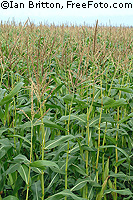
The case for genetically modified (GM) crops has been made forcefully by those arguing that they could provide a secure food supply in developing countries, for example by boosting yields or enabling crops to survive in a barren environment. Scientists at Aachen University in Germany have boosted this argument further with the claim that GM maize could be used to tackle iron deficiency in developing countries. Nearly two billion people in developing countries, mainly women and children, do not have enough iron in their diet. This can lead to anaemia, and can stunt children's development, as well as causing chronic fatigue in adults. Dr Eva Stoger and her team at Aachen University modified maize by adding genes to its DNA from both soybean and the Aspergillus niger fungus. Working together, the two genes are able to retain iron from the soil, and to make it available in a form that can be absorbed by humans. The soybean gene produces a protein that binds to the iron taken up from the soil by plants. However, once in a plant, that iron can become inaccessible in that people eating the plant would not absorb the iron. The fungal gene solves this problem by making this iron available to consumers. Dr Stoger and team, whose research was published in the December issue of Plant Molecular Biology, say that cells from the human intestine absorbed three times more iron from the GM maize used in their trials than from unmodified maize. The team adds that maize flour containing the fungal gene would benefit communities that do not have access to other nutrients, such as ascorbic acid. Further studies will be carried out on the potential side effects of modification.