


Europe is missing the boat on agricultural biotechnology, warn proponents
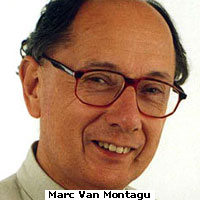
Following the recent publication of figures that show an 11 per cent increase in the global acreage planted with genetically modified (GM) crops in 2005, proponents of agricultural biotechnology have warned that Europe is in danger of missing out on a global revolution. According to the report by the International Service for the Acquisition of Agri-biotech Applications (ISAA), globally there are currently some 222 million acres approved for planting biotech crops in 21 nations, including five European countries. While some opponents of agricultural biotechnology have questioned the accuracy of these figures, it is clear that since their introduction in 1996, millions of farmers have embraced the technology. While GM supporters welcomed the first cultivation of Bt maize in the Czech Republic in 2005, as well as the re-introduction of the same transgenic crop in France and Portugal, the total area of GM maize planted in these three countries amounted to only 3,500 acres. Some worry that this lack of appetite for GM commercialisation will see Europe fall further behind its competitors in a key area of knowledge-based technology. At a briefing organised by the European biotechnology lobby group EuropaBio, its secretary general Johan Vanhemelrijck said: 'The fact that Europe is lagging behind in the commercialisation of GM crops doesn't make things easier for young R&D [research and development] driven companies. The question is how many companies decided not to start up in this area in Europe, and how many opportunities have we lost to maintain our leadership.' The head of business development for one such R&D driven biotech company, Erik Jongedijk of Devgen, added: 'In Europe, we're lucky to be able to say that we still have a very strong research base in biotech agriculture. But it's only a few gems in a few countries. It would be sad to see Europe become dependent on what other countries are producing, and that's why it's important to maintain a strong research base.' The Belgian inventor of the most widely used method to create GM plants and president of the European Federation of Biotechnology, Professor Marc Van Montagu, stressed that when thinking of agricultural biotechnology, people shouldn't just think about food and feed. 'Plants can be used as a raw material for many different compounds and materials, and we must use them to replace petroleum as our major raw material.' When politicians in Europe talk about the potential of biofuels to contribute to sustainable development, continued Professor Montagu, they appear unaware that the regulations currently in place in Member States are hindering the ability of agricultural biotechnology to provide solutions. 'This is a big handicap for Europe, and it also makes poorer countries in places like Africa hesitate over using the technology, which is also bad.' A number of speakers highlighted the potential of GM crops to alleviate poverty and hunger in the developing world, and Professor Montagu believes that 'fighting the vicious circle of hunger and poverty [...] will require a reformulation of current models of agriculture'. Given that, rightly or wrongly, using such arguments to justify the commercialisation of GM in Europe can often lead to outrage or mere indifference among citizens, CORDIS News asked Professor Montagu whether this was the right way to approach the issue. 'I agree that to achieve acceptance in Europe it is necessary to highlight the benefits to Europe. But globally, and as a scientist and a person, it is absolutely urgent that developing countries have a bigger income,' responded the Professor. One of the key problems in highlighting the benefits to European citizens, however, is that of the 30 USD saving per acre that Mr Jongedijk says GM crops can deliver, almost none of that is passed on to the consumer. Instead, roughly two-thirds go to the farmer while one third goes to the biotech seed companies. EuropaBio, however, remains confident that in the medium to long term it will be impossible for Europeans to ignore the benefits of plant biotechnology. Despite this, Mr Vanhemelrijck does not expect any great political progress in the near future. 'I don't have great hopes for the Austrian Presidency,' he concluded. 'In the long term, I am optimistic, but not for the next six months.'