


Potocnik calls for pan-European dialogue on scientific ethics
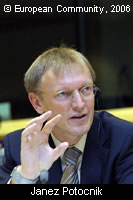
Science and Research Commissioner Janez Potocnik has called for further efforts to promote a dialogue within Europe on the ethics of science, particularly in light of the rapid pace of scientific progress today. Our modern day notion of the 'freedom of science' has its roots in the 'Age of Reason' and the subsequent Enlightenment, and refers to the need to protect scientific endeavour from the interference of power, whether ideological, religious or political, believes Mr Potocnik. This concept, he said in a message to the World Congress of freedom of scientific research in Rome on 16 February, is today enshrined in the European Charter of Fundamental Rights, which safeguards the legitimacy and self-governance of the scientific community. However, in return for a guarantee of scientific freedom, scientists are expected to respect certain values and principles when carrying out their research, which we call ethics. 'Ethical issues are therefore integral components of the responsible use of research. And there is no way that 'freedom of science' means doing whatever one wants without respecting guidelines or principles,' said Mr Potocnik. The importance of ethics in science is generally accepted around the world, but in Europe, where countries share a common set of basic values but are also characterised by ethical plurality, the need for an ongoing dialogue to build respect and tolerance for different approaches is particularly acute. 'Whereas certain ethical principles are more or less universally accepted, others are not so clear-cut,' said Mr Potocnik. 'Further efforts are needed to promote pan-European dialogue, better awareness-raising, networking and understanding between researchers regulators and experts on ethics.' Even where strong ethical codes are already in place, the ever-changing nature of science means that these require regular review and revision. 'Together we have to develop a broad and comprehensive ethical framework that promotes responsible research. This framework should uphold universal values but also recognise that Europe is a rich cultural tapestry made of diverging ethical, religious, historical and philosophical backgrounds, each of which has the right to be respected and defended,' he concluded.