


Ministers call for greater openness in EFSA's GMO assessments
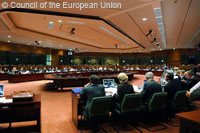
Ministers in the Environment Council have called on the European Food Safety Authority (EFSA) to increase the transparency of its scientific assessments of genetically modified organisms (GMOs). In response, EU Environment Commissioner Stavros Dimas said that EFSA was aware of the criticisms, and suggested that changes to the authorisation procedure may be made in the future. The majority of delegations at the council meeting called for changes in risk assessment, with some requesting extra steps to be added to the process. Ministers also feel that consumers should be provided with more complete and adequate information. Spanish Environment Minister Cristina Narbona Ruiz said: 'There are considerable shortcomings in our ability to assess GMOs,' according to press reports. Some countries requested scientific research into the possible long-term consequences of GM products, while others asked for more independent verification of research carried out by industry. While many Member States aired criticisms of the authorisation procedure, the UK representative, Minister for Climate Change and the Environment Elliot Morley, said that the existing process was essentially sound. He agreed, however, that EFSA should be more open and make its arguments clearer and more robust. Mr Dimas stressed that EFSA has only recently been set up and that, like any large organisation, 'is still finding its feet'. The agency is currently reviewing its methods to ensure that risk assessments are of the best possible quality, he added, and expressed a hope that increased confidence in the assessment process would make future decisions on GMO authorisation less contentious.