


Commission reduces cod catch quotas
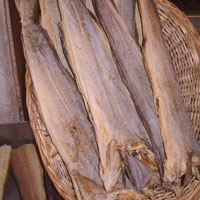
The European Commission will drop cod catch quotas by 15%- the maximum permitted - in the eastern Baltic Sea, despite calls from scientists for the complete closure of the fishery due to worryingly low levels of cod, until a management plan is set-up. However, the Commission proposes to increase fishing quotas for Baltic herring by 15%, as populations show sustainability. Sprat stocks, which show encouraging signs of health, will also increase. In June, the International Council for Exploration of the Sea (ICES) indicated that cod stocks in the eastern Baltic Sea were unsustainable due to over-fishing. They estimated that cod catches were under-reported by up between 35 and 40%. It recommended that no catch should be taken in 2007 and that a recovery plan should be developed and implemented. The Commission, however, say that they have taken heed of ICES' scientific advice as well as the opinion of its own Scientific, Technical and Economic Committee on Fisheries (STECF). They have also received input from stakeholders, in particular the Baltic Regional Advisory Council. By reducing the Total Allowable Catches of cod by 15%, the Commissions says this will ensure the sustainable use of fishery resources and maintain stable fishing opportunities. The new measures go beyond those recently proposed in the EU multi-annual fishery plan on Baltic cod stocks. It envisaged a staged reduction of only 10% in fishing mortality - the number of fish caught in a year as a proportion of the average number in the fish stock. These measures could have increased the total catch in 2007, due to an increase in the number of young fish joining the stock. The Commission also proposes maintaining 'closed' areas and periods, agreed in 2006, while increasing the number of additional closed days for demersal gear (used for fishing close to the sea floor) by 10%. Joe Borg, Commissioner for Fisheries and Maritime Affairs, said: 'This proposal confirms our commitment to the application of a gradual approach which aims to help rebuild cod stocks and protect those stocks which are in a healthier state while, at the same time, keeping economic pressure on the sector as low as possible.' The EU is currently in discussion with Russia over proposed quotas, as part of the new bilateral fisheries agreement, which should come into force in 2007.