


EU backs ambitious restoration project
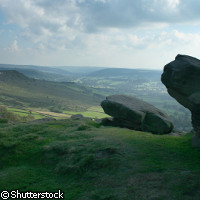
Central and northern England's Peak District is set to undergo one of the biggest restoration ventures in Europe. The district's Peat Moorland area will benefit from the restoration and regeneration planned by the five-year Moorlife project, which forms part of the EU LIFE Programme and will receive GBP 5.5 million (over EUR 6 million) in funding. As the EU's funding instrument to support environmental and nature conservation projects, LIFE will help restore part of the vital habitat of the Peak District, areas of which have been damaged by airborne industrial pollution and wildfires. The Peak District is close to the major cities of Manchester and Sheffield and the counties of Yorkshire, Lancashire, Greater Manchester, Cheshire and Staffordshire. Much of the land is owned by the water companies Yorkshire West and United Utilities, as it is a catchments area for their reservoirs. The rest is owned by private landowners and the conservation and heritage protection charity, the National Trust. Mr Geoff Nickolds, chair of the Moors for the Future Partnership, said: 'We're delighted to have secured this vital backing for the Moorlife project, which will restore habitats of European significance'. 'It will also restore these wild, biologically important landscapes to a state where they can be enjoyed rather than endured by walkers, with benefits for health and well-being. And we hope it will once again support a wide diversity of upland birds, plants, mammals and insects that specialise in this distinctive habitat.' The Moors for the Future Partnership was launched in 2002 with backing from the Heritage Lottery Fund. The partnership is now at the forefront of the UK's Moorland research, restoration and awareness programmes. The injection of EU funding will help achieve the project's aims of providing the conditions needed to support the important wildlife the area is home to. Also, it will build the correct infrastructure to reduce the risk of floods to nearby cities so that downpours can be absorbed before endangering the area. Regenerating vegetation is a top priority. In order to transform this landscape, helicopters will spread seed from the air and will also be used to fly in equipment, fertiliser and plug-plants to remote areas. It will also be possible to re-plant specialist upland plants which have disappeared from the area, such as heather, cotton-grass, bilberry, crowberry and cloudberry. The restoration of the rare blanket bog which has been damaged is key to the initiative. Introducing absorbent plants such as the sphagnum moss will alleviate some of the effects of this damage. The project, which will officially start in April 2010, will complement programmes such as Natural England's Environmentally Sensitive area scheme, as well as other flood management projects. Mr Nickolds stressed: 'Ambitious projects like these, across such vast landscapes, would be impossible without practical and financial cooperation between large organisations who share the same vision and commitment, and we are grateful to them all.'
Countries
United Kingdom