


African-European astronomy partnerships: Leveraging a flagship opportunity for global science cooperation
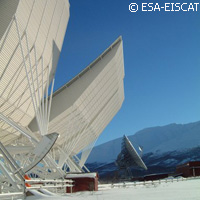
More than 700,000 pieces of debris are currently putting orbiting satellites at risk. Being able to circumvent the inevitable calls for scientists to know where these pieces are. Enter the European Space Agency (ESA), which is developing a system to catalogue debris and raise red flags informing satellite operators to take action when they have to. The ESA is organising a conference in Madrid, Spain, from 7 to 9 June where more than 150 scientists from around the world will meet to discuss and share latest research findings on space debris, surveillance technology, orbital hazard detection and satellite safety. A key highlight of the event is the ESA's Space Situational Awareness (SSA) programme, which is in its preliminary phase and is scheduled to get its services up and running between 2012 and 2019. The SSA plans to implement a 'three-legged' system able to alert scientists of all potential debris, and offer key information that will prove critical for our planet, including data on latest space weather and natural objects, such as asteroids, that could hit our planet. In just two years, members of the SSA have been working to define the system's overall technical structure. They have also been assessing Europe's current assets like scientific research radars and telescopes that could help support the SSA system. In a statement, the ESA says the development strategy is based on the wide-ranging use of European and national assets. The team will also look to secure any missing components for the future SSA system. It should also be noted that SSA surveillance development activities will be the main focus for 2011. The scientists have already implemented a new generation of software with the capacity to notify when satellites are in the path of debris. 'At the moment, it is undergoing extensive testing using known debris orbits, but it's a first step toward the software we'll use when Europe has its own surveillance capability,' says ESA's Emmet Fletcher, Head of the Space Surveillance and Tracking Segment at the SSA programme office. Conferences like the European Space Surveillance Conference (ESS2011) are important for space research, says the ESA, particularly because participants can become familiar with the latest practices and exchange information about current-generation radars and telescopes. It also provides them with the opportunity to mull over the possible solutions to many challenges impacting satellite operations in space. A piece of debris as small as one centimetre across can seriously damage, and maybe even destroy, an operational satellite if it impacts at orbital velocities, according to the experts. 'We are now finalising a pan-European survey and test of existing tracking facilities, such as radars and telescopes located in France, Germany, Italy, Norway, Spain, Switzerland and the United Kingdom,' Dr Emmet says. 'Knowing how precise these are is fundamental to designing ESA's new SSA system, which may make use of their data in combination with debris readings obtained by new, highly accurate radars and telescopes in the future. We know there is a huge amount of knowledge across Europe and globally. Having a single forum where experts from around the world can meet and present new information is vital and helps move our collective know-how forward.'For more information, please visit: European Space Agency (ESA): http://www.esa.int/esaCP/index.html(opens in new window) ESA Space Situational Awareness (SSA): http://www.esa.int/esaMI/SSA/index.html(opens in new window)
Countries
Sweden