


International Women's Day on progress and fight against inequality
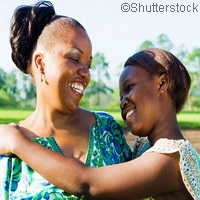
No matter the race, age, citizenship, profession or education level, women the world over celebrated the 101st International Women's Day on 8 March. Despite advances made over the years, however, women continue to fight myriad issues that impact their lives on a daily basis. It is a rally against inequality, and one that must not be ignored. Thousands of events were held to celebrate both women's progress and continued efforts to bring equality to all. Social media, such as Facebook and Twitter, were on fire as women shared anecdotes, experiences and thoughts to raise awareness of the important role they have in our society. World dignitaries, including United States President Barack Obama and British Prime Minister David Cameron, urged everyone to eliminate violence against women, both young and old, using social media initiatives. Taking action and maintaining support will trigger change and help make their lives so much better. A string of celebrities, including actor Reese Witherspoon and Scottish singer Annie Lennox, both of whom are activists for women's rights, also marked the day by attending various events. International Women's Day gives women and girls the chance to celebrate their accomplishments as well as the opportunity to drive change, fuelling equality and positivity. Commenting on the significance of this day, Glenda Stone, founder of the internationalwomensday.com website that has served as a global hub for International Women's Day events, news and resources, says: 'Activity on International Women's Day has skyrocketed over the last five years. This is due to the rise of social media, celebrity involvement, and corporations taking on the day sponsoring and running big events. Our twitter.com/womensday community with around 10 000 followers is phenomenal for sharing videos, information and news as it happens. Offline large-scale women's rallies have become even larger through the use of social media. It would be hard to find any country that did not celebrate the day in some way.' The EU and its citizens support women and their efforts for change. This is especially true with respect to helping thousands of families and communities and many countries to change attitudes and stop harmful traditional practices, including genital mutilation/cutting (FGM/C) in Africa. A case in point is an EU-UNICEF project funded under the Directorate-General for Development and Cooperation (EuropeAid) to the tune of EUR 3.9 million. This project introduced a common approach based on a comprehensive understanding of how to change social norms in order to end harmful practices. Thanks to this project, many girls in Egypt, Eritrea, Ethiopia, Senegal and Sudan are no longer being subjected to a practice that causes extreme pain, both physical and emotional. For example, more than 5 300 communities in Senegal have stopped FGM/C in the last 10 years, and experts estimate that the country will be the first to completely abandon this practice by 2015. Raising awareness of the dangers of this practice is made possible by stimulating large-scale community discussions and national debate on various issues, including human rights. Commenting on the results of the study, EU Development Commissioner Andris Piebalgs said: 'I find it totally unacceptable that in the 21st century, this practice, which is a clear violation of human rights, is still taking place. That is why I am so pleased to see that EU aid can make a real difference. By raising awareness on the dangers of female genital mutilation/cutting at grassroots level, we have helped to provide young women across Africa with an alternative, as well as giving them the chance to become an active part of their own communities in the future.'For more information, please visit: EuropeAid:http://ec.europa.eu/europeaid/index_en.htmInternational Women's Day:www.internationalwomensday.com