Phone-app system provides connectivity services to car drivers


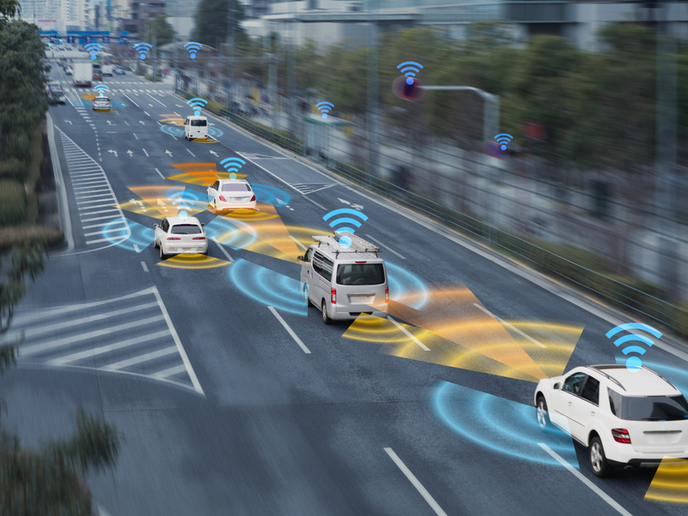
Cars are not generally regarded as internet-capable devices. Most cars are not connected at all. Those that are have only limited capability or are locked into a single manufacturer’s system. Nevertheless, connecting cars to the internet offers many advantages, including safety and traffic management. The EU-funded PACE(opens in new window) project developed a manufacturer-independent cloud system that provides current and older cars with internet capability. The system does not make cars self-driving but rather provides connectivity services for both the driver and mechanics. Most of the services rely on a device developed by the project researchers, called the PACE link. This device connects to the car via the on board diagnostics OBD II(opens in new window) port, standard equipment on cars since 1996. The PACE link also connects to the PACE project’s app on the driver’s smartphone. This, in turn, connects to the PACE Cloud, which analyses the app data.
Connectivity services
The driver of a car equipped with PACE link gains connectivity services, including emergency calls, a find-my-car function, and traffic monitoring. Other offered services include a fuel-saving trainer, a performance monitor, fuel-expense tracking, and a find-the-cheapest petrol station function. A few of the PACE link services are intended for independent workshops. Through the OBD II port, such workshops gain a connection to customers’ cars’ engine error codes, which can be analysed in case of breakdown. “To connect your car,” explains Martin Kern, project coordinator, “you download the PACE Car app, plug the PACE link into the OBD II port, and that’s it.” All services will be immediately available.
Mobile payment service
After a setback due to COVID-19 and related transportation shutdowns, the PACE team reprioritised, focusing on a connected fuel payment concept. Users fill their car’s fuel tank as normal but may pay at the pump without having to go to the cashier. For this service, the PACE app works much like any other mobile payment app. This feature also operates via a second phone app, PACE Drive(opens in new window) and does not need to connect via the OBD II port. PACE Drive was a success. “Our connected fuelling platform, as part of our connectivity cloud, has proven to be the leading platform of its kind in Europe from a technological perspective,” adds Kern. The criteria for this assessment include the range of payment methods, ability to provide digital fuel cards, number of cashier systems connected, and being easily integrated for third parties. The PACE Drive system also benefits service stations, enabling 24-hour automated operation and increasing efficiency via faster fuel stops. Currently, over 3 000 connected petrol stations exist in eight European countries, and around 60 000 more are said to be rolled out in coming years. The PACE Cloud and the two apps have been fully completed during the project. Pilot technical testing for the OBD II system was also very successful. In particular, the team will continue refining all technologies related to payment services. PACE researchers also expect to upscale the fuel payment platform to include road tolls, charging of electric vehicles, and payments for other car-related services such as washing.