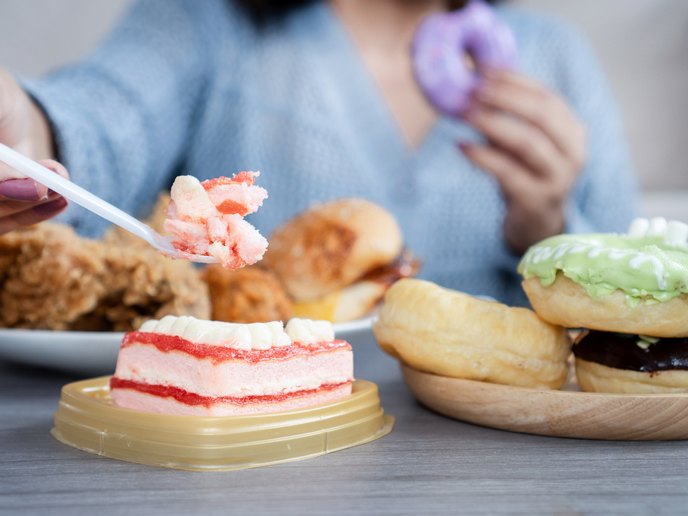
Why can’t we resist junk food?

We all know that sugary and fatty foods are bad for our health. The question is, why don’t many of us pass them up at the supermarket or restaurant? Apparently, the reason we crave chocolate bars, fries, crisps and other such goodies doesn’t necessarily have to do with willpower. Now I have something else to blame for eating this stuff.
Blame the brain
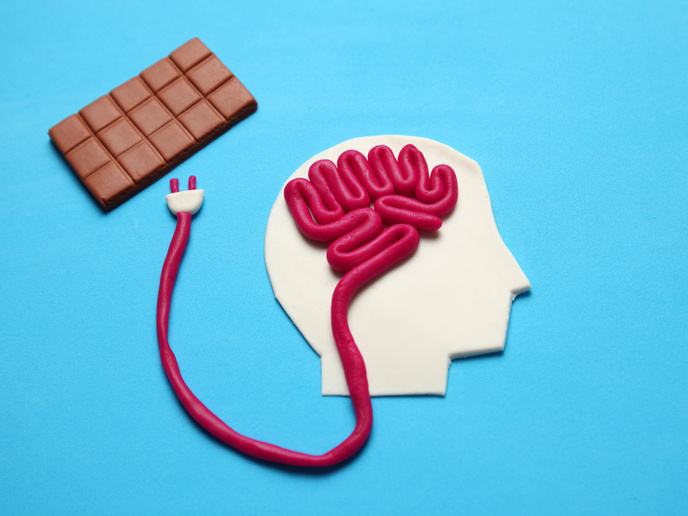
According to researchers at the Max Planck Institute for Metabolism Research in Germany and Yale University in the United States, the brain learns to prefer foods with high fat and sugar content. The findings were published in the journal ‘Cell Metabolism’(opens in new window). High-fat and high-sugar foods change the reward circuits in our brains to form lasting preferences. “Let’s say a new bakery opens up next to your work and you start stopping in and having a scone every morning. That alone can rewire your basic fundamental dopamine learning circuits,” co-senior author Dana Small, director of Yale University School of Medicine’s Modern Diet and Physiology Research Center, told ‘NBC News’(opens in new window). “Our tendency to eat high-fat and high-sugar foods, the so-called Western diet, could be innate or develop as a result of being overweight. But we think that the brain learns this preference,” explained lead author Sharmili Edwin Thanarajah in a Max Planck Institute for Metabolism Research news release(opens in new window). One group of volunteers received a small pudding that contained a lot of fat and sugar once a day for 8 weeks, in addition to their normal diet. The research team measured their brain activity before and during this period. Brain changes were observed for the group that ate the pudding. “Our measurements of brain activity showed that the brain rewires itself through the consumption of chips and co.,” elaborated co-senior author Marc Tittgemeyer. “It subconsciously learns to prefer rewarding food. Through these changes in the brain, we will unconsciously always prefer the foods that contain a lot of fat and sugar.”
Sweet dreams
Don’t eat much of either? The researchers caution that all it takes is one binge to create these changes in the brain. You’ll get a dopamine hit from your brain as a thank you. No such reward for healthy alternatives. This rewires your brain, and that’s why you head for the fridge or shelf again and again. “New connections are made in the brain, and they don’t dissolve so quickly,” states Prof. Dr Tittgemeyer. “After all, the whole point of learning is that once you learn something, you don’t forget it so quickly.”