Turning up the heat on cancer treatment

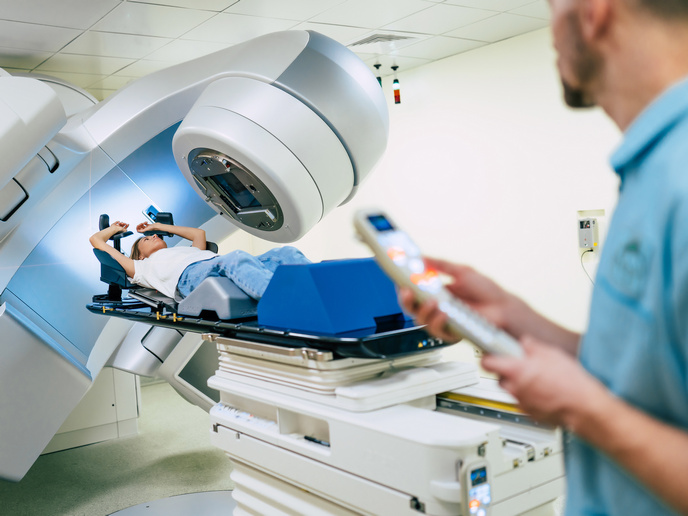
Hyperthermia, the process of heating tumours to 40-44°C, is a promising oncological treatment. Clinical studies have demonstrated its effectiveness in treating cancers such as cervical and recurrent breast cancer when used in combination with radiotherapy and chemotherapy. However, further optimisation is necessary to maximise treatment outcomes through precise control of tumour temperatures and refinement of both the timing and sequence of hyperthermia in conjunction with radiotherapy.
A European network for hyperthermia research
Undertaken with the support of the Marie Skłodowska-Curie Actions programme(opens in new window), the HYPERBOOST(opens in new window) project aims to revolutionise hyperthermia-based treatments by developing a cutting-edge treatment planning platform that integrates advanced biological, physical and clinical oncological knowledge. “We wanted to investigate and better exploit the synergistic effects of hyperthermia with radiotherapy and chemotherapy, so as to enhance treatment precision and improve patient outcomes,” explains principal investigator Hans Crezee. The project brought together 11 leading research institutes and key industry partners specialising in hyperthermia, radiotherapy and biomedical engineering. The multidisciplinary network aimed to drive wider clinical adoption of hyperthermia across Europe and beyond.
Cancer treatment optimisation
HYPERBOOST research teams undertook extensive preclinical studies and clinical data analysis, which led to a refined understanding of hyperthermia treatment efficacy. Valuable insights were obtained into the biological mechanisms underlying hyperthermia’s ability to enhance radiotherapy and chemotherapy. Project results demonstrated that the strong temperature-dose relationship is critical, with higher temperatures correlating with greater tumour cell sensitisation and improved clinical outcomes. Additionally, minimising the time interval between radiotherapy and hyperthermia sessions was shown to enhance therapeutic effects. Moreover, hyperthermia seems to have additional therapeutic benefits by stimulating immune responses. These findings have led to revision of hyperthermia treatment protocols, ensuring better quality control and improved outcomes for patients receiving hyperthermia in combination with radiotherapy or chemotherapy. The project has also led to improved quality assurance protocols and development of standardised measures for hyperthermia treatment delivery, ensuring consistency in clinical trials and routine practice. Advanced treatment planning tools and software have been developed through integration of invasive/non-invasive thermometry and biological modelling. According to Crezee: “This now allows clinicians to predict the effectiveness of combined hyperthermia-radiotherapy treatments.”
Lasting impact on cancer research and treatment
One of the most significant lasting achievements of HYPERBOOST is the establishment of a new generation of hyperthermia professionals trained in multidisciplinary cancer research. The project provided advanced training to 14 early-stage researchers, equipping them with expertise in biology, physics and oncology. These professionals are expected to drive future breakthroughs in hyperthermia research and clinical applications. Following the success of HYPERBOOST, the European Society for Radiation Oncology ESTRO(opens in new window) is incorporating HYPERBOOST insights into training programmes and workshops to educate clinicians and researchers. Improved hyperthermia treatment protocols are being implemented in multi-centre clinical trials, validating their effectiveness in real-world settings. Industry partners also play a key role in ensuring that HYPERBOOST’s findings lead to practical advancements in cancer treatment. Companies involved in the project are developing next-generation hyperthermia devices and software, making personalised treatment planning more accessible to hospitals worldwide.