Mixed farming and agroforestry to boost climate resilience

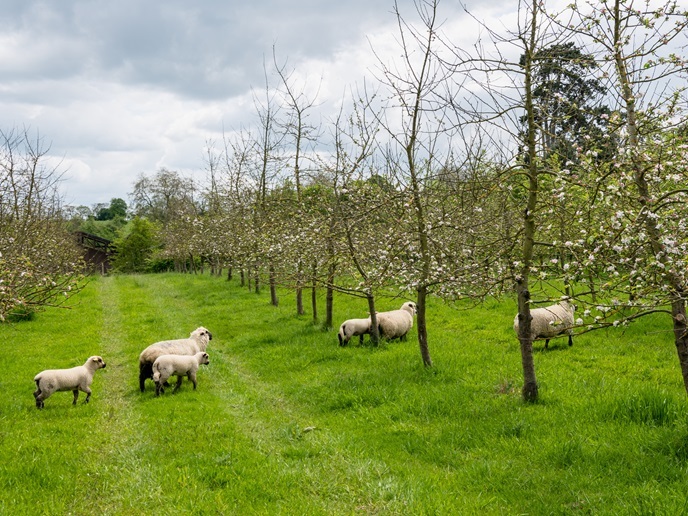
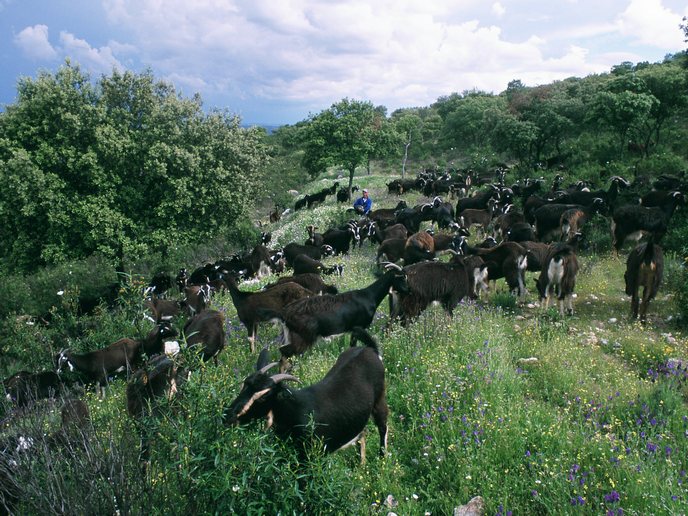
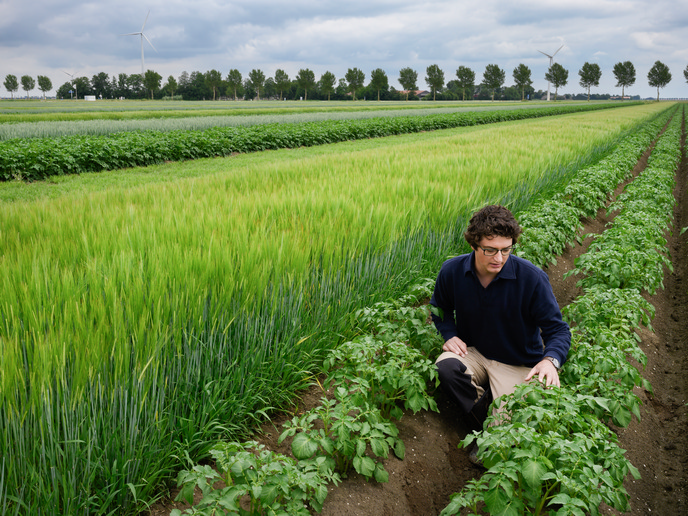
Mixed farming and agroforestry systems (MiFASs) are about integrating biodiversity and nature conservation through diversified production. In practice this involves crops, trees and animals sharing fields, farms or landscapes, in order to optimise resources and ensure that different elements benefit from each other. For example, woody vegetation shelters animals, and in turn benefits from their manure. This vegetation then sequesters more carbon from the atmosphere and drives increasing biodiversity, drawing more pollinators onto the site to improve crop growth.
Collaboration with farmers
There are however challenges associated with MiFASs. The practice is more complex and knowledge-intensive than other farming practices and may require greater investment. To address this, the EU-funded MIXED(opens in new window) project brought together a broad consortium of industry experts and stakeholders, to support the development of MiFASs through an analysis of the economic and environmental benefits and strategies for a successful transition. The project recognised that efficiency and resilience in MiFASs will only come through collaboration with farmers and an understanding of the local and broader contexts in which they operate.
Building MiFAS knowledge networks across Europe
Through the 4-year project, the team developed knowledge networks for MiFASs across Europe, covering the diverse range of mixed agricultural and agroforestry systems available. The project also built up a solid scientific foundation for farmers to access. MIXED created networks of organic and conventional farmers, to draw on varied knowledge bases. The project worked with groups of farmers and other stakeholders to develop these networks and enable exchange of knowledge between farmers, inspire joint activities and learn how best to facilitate a wider take-up of MiFASs across Europe.
MiFASs contribute to environmental sustainability
The project produced a broad range of results, including a major report(opens in new window) on European MiFASs ‘state of the art’ and future scenarios. The report findings suggest that MiFASs offer farmers more stability and resilience than specialised farming practices (which may in the short term deliver higher yields), by helping farmers maintain production under various stresses and challenges. This is because MiFASs contribute to long-term environmental sustainability through increasing carbon sequestration, promoting biodiversity and maintaining agricultural productivity. Positive impacts in terms of both resilience and efficiency were recorded. These include: silvopastoral systems in Denmark, where willow trees provided a high protein diet to organic pigs; a British project blending sheep grazing and cereal production, which found that new cover crops and manure from the sheep benefit soil structure, biodiversity and carbon sequestration; and the inclusion of trees along field boundaries in Poland, which improved soil biodiversity, increased soil moisture content and lowered soil temperature – increasing the productivity of crops. Researchers suggest therefore that the concept of agricultural efficiency needs to take a more long-term perspective and should take account of resilience as a means of maintaining efficiency into the future.