


Enabling nature-based solutions in sustainable agriculture


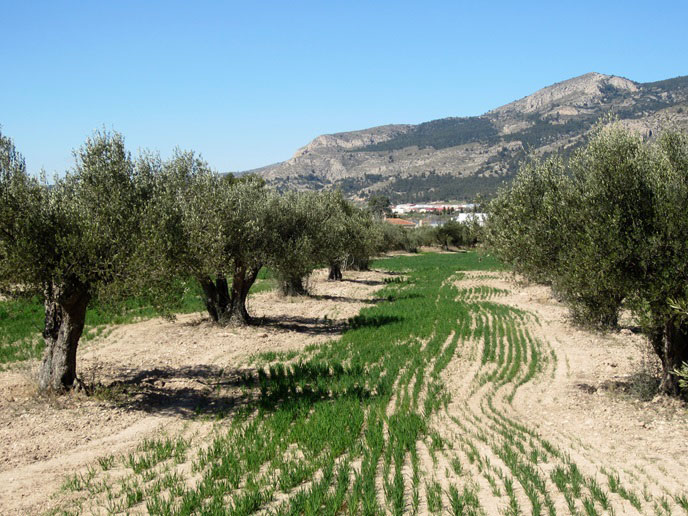
A range of sustainable farming approaches – such as agroecology, agroforestry and organic farming – offer significant potential if scaled up further. Each of these approaches incorporates biodiversity considerations to varying degrees, demonstrating tangible pathways for more resilient and sustainable agri-food systems. In this context, nature-based solutions (NbS) offer multifunctional approaches to accelerate the transformation to sustainable agriculture through enhanced biodiversity efforts. These solutions not only help safeguard ecosystems but also tackle critical societal challenges such as food security and climate resilience, ultimately delivering wide-ranging benefits to communities and biodiversity. As such, NbS may include the abovementioned sustainable farming approaches, provided that they aim at improving the state of agrobiodiversity. This new CORDIS Results Pack highlights key findings from EU-funded Research & Innovation projects that explore mechanisms, improve knowledge and develop tools directly supporting NbS, thereby further contributing to the transition to a sustainable agri-food system. By presenting these insights, the Results Pack serves as a valuable resource for advancing NbS in sustainable farming, emphasising both the urgent need and promising potential to leverage the power of nature for food security. A number of projects have focused on delivering digital tools to improve biodiversity and encourage agroecology. PATH2DEA has developed a platform to help farmers integrate biodiversity into their practices, while D4AgEcol has demonstrated how technology can play a key role in the transition towards agroecological farming and biodiversity-friendly practices. Other projects have looked into how soil biodiversity, management practices and innovative business models can improve soil health and its socio-economic value. These include SOILGUARD, which has developed tools that enable users to visualise soil data through interactive graphics, and to compare soil metrics with other European regions. Similarly, SoildiverAgro has developed tools and guidelines to encourage farming that leverages increased soil biodiversity, while NOVASOIL has created a toolbox of good soil management practices drawn from experiences in Europe and around the world. EU researchers have also sought to boost agrobiodiversity through identifying underutilised crops and highlighting ecological, economic and social benefits. RADIANT has promoted crop diversity to make farming systems more resilient, productive and sustainable, while CROPDIVA has pioneered new techniques and approaches to help farmers integrate food production with nature. SHOWCASE conducted numerous field studies to better understand the full costs and benefits of various biodiversity management strategies. A group of projects have also supported the development of mixed farming and agroforestry systems, aimed at enhancing ecosystem services and climate resilience. MIXED has shown how agricultural practices that integrate mixed farming and agroforestry can boost climate resilience and biodiversity, while FOREST4EU sought to highlight the success and share the lessons of small, locally funded agroforestry projects. Agroforestry is a core nature-based solution for resilient land and food systems, combining trees with crops or livestock to improve soil health, biodiversity and climate adaptation. Across Europe, many promising ideas emerge from small, locally funded projects, but their results often stay confined to regions even when others face similar challenges. FOREST4EU was set up to change that. REFOREST has shown how sustainable and productive farming practices can be achieved through applying agroforestry measures tailored to specific needs. Finally, DIGITAF has created digital support tools to support agroforestry and enhance sustainable land management practices. While the results presented in this publication focus on strengthening the biodiversity enhancement component of sustainable farming, additional relevant results from projects focused on sustainable agricultural approaches are provided in the CORDIS Results Pack on ‘Agroecology and Organic Farming’.