Speeding up drug discovery with engineered adult-like heart tissue

In Europe, cardiovascular diseases account for nearly half of all deaths and place an estimated EUR 210 billion annual burden on the EU economy. Despite these statistics, very few new cardiovascular drugs have reached patients over the past decade. One major reason is the lack of predictive preclinical models that can reliably predict human responses before drugs enter costly animal studies and clinical trials.
Addressing cardiac drug development bottlenecks
The EU-funded EMAPS-Cardio(opens in new window) project was launched to tackle this challenge by developing more realistic human heart models for early-stage drug screening. The project responds to a growing demand for in vitro systems that better reflect adult human physiology and can detect both therapeutic efficacy and cardiotoxicity at an early stage. “Our vision is to increase the efficiency and reliability of drug development by using human-based models that are predictive from the outset,” explains project coordinator Christian Bergaud. At the core of the project is the ambition to turn human induced pluripotent stem cells(opens in new window) into mature cardiomyocytes beyond their typical foetal-like state. So far, this lack of maturation has limited the usefulness of heart-on-chip technologies.
Recreating the heart’s natural environment
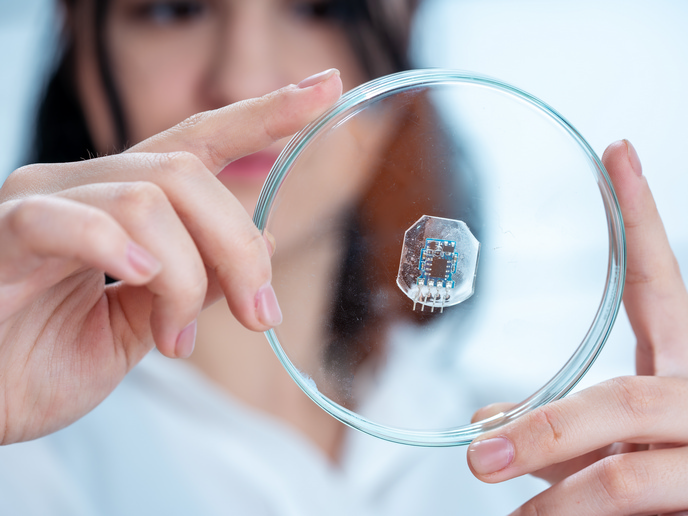
EMAPS-Cardio combines advanced materials science with bioengineering to achieve adult-like maturation. The generated platform integrates polymer-based scaffolds that provide gentle electrical and mechanical stimulation to heart cells. This helps cells behave more like they do inside the human body. In parallel, a dedicated bioreactor applies rhythmic mechanical stretching using a magnet-driven system that mimics the natural heartbeat. This set-up also continuously monitors pH, oxygen, glucose and lactate levels, allowing long-term assessment of tissue health and metabolism. “What differentiates EMAPS-Cardio is that we do not focus on a single stimulus,” notes Bergaud. “We combine electromechanical actuation with biochemical control and continuous sensing in one integrated system.”
Putting the platform to the test
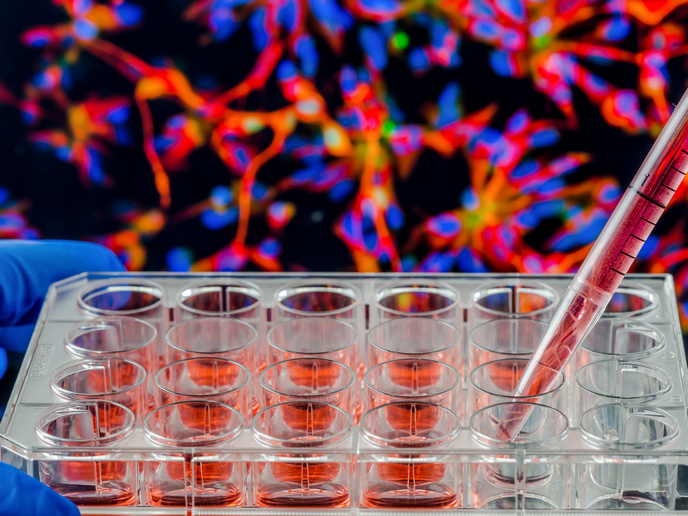
Researchers validated the EMAPS-Cardio approach using disease-relevant models, including arrhythmia, hypertrophy and ischaemia. Known cardiovascular drugs and cardiotoxic compounds such as bisphenol A were tested across the EMAPS-Cardio platform(opens in new window). The team detected clear effects on electrical activity, calcium signalling, gene expression and metabolic profiles. These results demonstrate that the platform can reliably capture functional drug responses, supporting its use for both efficacy and safety screening. Importantly, the technologies enable parallel measurements in standard formats, making them compatible with high-throughput workflows required by industry.
Complementing and reducing animal studies
While heart-on-chip systems do not yet fully replace animal models, EMAPS-Cardio shows how they can significantly reduce dependence on them. Human-based microtissues provide a more relevant biological context and open new opportunities for personalised medicine, where patient-specific cells could be used to predict individual drug responses. Importantly, regulatory agencies are starting to recognise the value of advanced in vitro models, and the role of mature systems like that of EMAPS-Cardio in drug development will continue to grow.
Future directions
Looking ahead, the consortium aims to scale up the technology, improve robustness and streamline workflows for routine use in pharmaceutical research. Beyond cardiology, the electromechanical stimulation principles developed in EMAPS-Cardio are directly applicable to other tissues such as skeletal muscle, skin and lung tissue. “With further refinement, EMAPS-Cardio could be adapted for personalised predictions of drug responses, bringing us closer to patient-tailored therapies,” concludes Bergaud.