



A better way of treating brain injury in premature babies

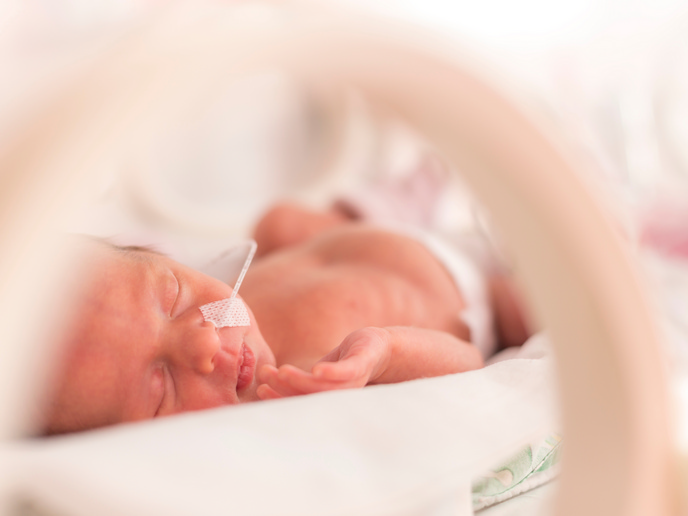
The final weeks of gestation are a period of rapid change and development during which a foetus grows faster than at any other time of the pregnancy. But for the over 15 million babies born prematurely every year, this critical stage of pregnancy is either cut short or doesn’t happen at all. As a result, preterm babies face a lifetime of potential health and developmental problems – including an increased risk of brain injury. Known scientifically as encephalopathy of prematurity (EoP), preterm brain injury is linked to higher rates of autism, epilepsy and cerebral palsy. “Not only are there no treatments to repair brain damage in premature babies, we also lack the tools to diagnose the extent of the damage until days – even weeks – after birth,” says Pierre Gressens, a researcher at the French National Institute of Health and Medical Research(opens in new window) (Inserm). But that could soon change, thanks in part to the work being done by the EU-funded PREMSTEM(opens in new window) project. “The PREMSTEM project aspires to provide an effective and efficient means to treat brain injury in preterm babies,” adds Gressens, who serves as the project coordinator.
Repairing preterm brain damage with stem cell therapy
Bringing together a group of world-leading European and Australian researchers with expertise in neonatology, drug development and brain imaging, the PREMSTEM project set out redefine how EoP is diagnosed and treated. At the heart of this mission is a new stem cell therapy capable of repairing preterm brain damage. The proposed treatment uses human mesenchymal stem cells (H-MSCs), a stem cell that can be found in the umbilical cord. “We wanted to determine the regenerative potential of H-MSCs in EoP,” explains Gressens. To do so, researchers used multiple and complementary animal models that mimic several key etiological aspects of the EoP. They also explored in vitro the neuroprotective mechanisms of H-MSCs. What they found is that the intranasal delayed administration of H-MSCs can provide a very significant neuroprotection against EoP. “Because we lack biomarkers, sometimes we give therapies to preterm infants that don’t require it, which could induce toxicity,” notes Gressens. “Delaying intervention addresses this risk.”
A better future for preterm babies
In addition to the treatment, the project also developed cost-effective, easy-to-use imaging tools that clinicians can use to rapidly identify preterm brain damage at the time of birth. “By providing the means to both rapidly diagnose and treat EoP, PREMSTEM is helping ensure a better future for preterm babies and their families,” concludes Gressens. The project has also published a range of scientific papers(opens in new window) on its research.