Farming fish for the future with smarter water use

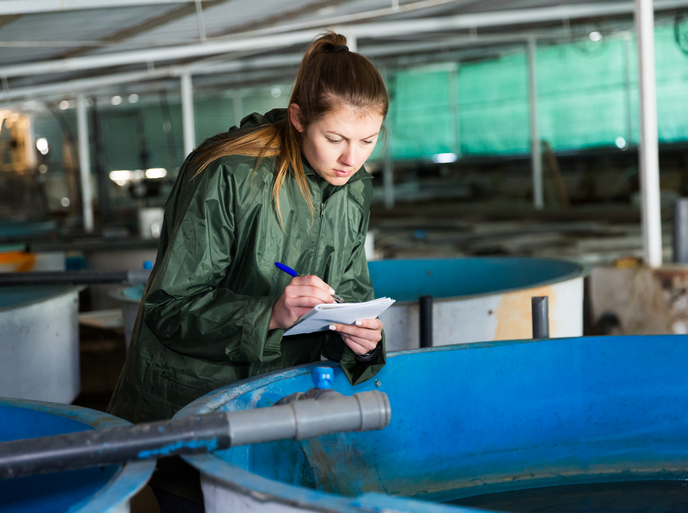
Aquaculture already provides about half of the fish consumed worldwide and is the fastest-growing animal food sector, says Louise von Gersdorff Jørgensen, associate professor at the Department of Veterinary and Animal Sciences at the University of Copenhagen. Yet traditional fish farming often raises environmental concerns, from high water use and nutrient pollution to spread of diseases to wild fish. In response, the aquaculture industry is increasingly turning to recirculating aquaculture systems (RAS) – land-based fish farms where water is continuously cleaned and reused. Jørgensen coordinated the EU-funded RASOPTA(opens in new window) project, supported under the Marie Skłodowska-Curie Actions, that ran from September 2021 to August 2025. Bringing together research and industry partners from Denmark, the Faroe Islands, Germany, Hungary, Norway and Spain, the project set out to remove key barriers limiting the wider uptake of RAS, with a particular focus on improving water quality, disease control and product quality in these highly controlled systems.
Recycling water, rethinking fish farming
In RAS, fish are raised indoors in tanks where water passes through a series of treatment steps before being reused. “Recirculating aquaculture systems are land-based fish farming systems. They continuously filter, clean, and reuse the water in which fish are raised,” says Jørgensen. Solid waste is removed, toxic nitrogen compounds are converted by beneficial bacteria, excess carbon dioxide is stripped out, and oxygen levels are carefully maintained. This approach dramatically reduces water consumption and limits the release of nutrients, antibiotics and pathogens into the environment. However, reusing water also creates new challenges. “RAS technology reduces water consumption, but the reuse of water causes problems with respect to maintaining a high water quality,” Jørgensen notes. In particular, the biological filters that support water purification rely on complex microbial communities that can be destabilised by routine cleaning. The RASOPTA research showed that excessive cleaning can disrupt this balance, creating conditions that allow harmful microorganisms to proliferate.
Keeping fish healthy – and improving taste
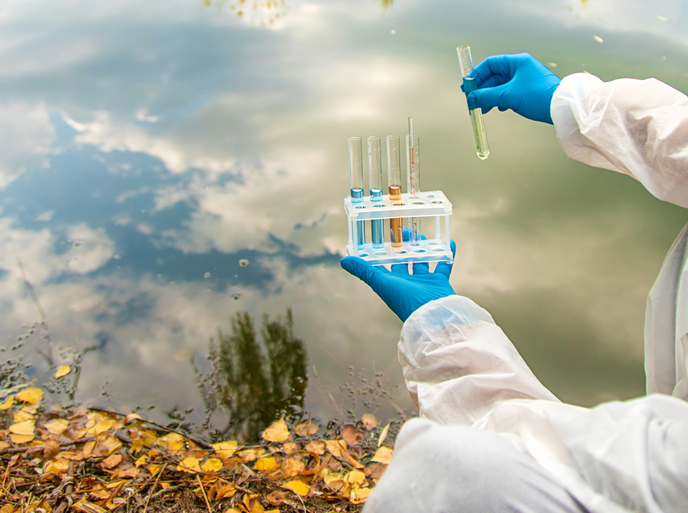
Fish health and welfare were central to the project. “A healthy water microbiome is critical for fish growth and welfare,” says Jørgensen. Disease outbreaks in intensive systems can spread rapidly and often lead to antibiotic use, contributing to antimicrobial resistance. To address this, RASOPTA developed a non-invasive, DNA-based monitoring tool that detects bacteria, parasites, and viruses from water samples. This tool can potentially act as an early-warning system, and enable fish farmers to take action before disease becomes severe. “Such early detection gives managers valuable time to intervene before morbidity and mortality occur,” Jørgensen explains. Taste is equally important for consumers. In RAS, certain microbes produce earthy or musty compounds that accumulate in recycled water and are absorbed by fish flesh. The RASOPTA team identified new off-flavour compounds and showed how feed composition, water treatment and system design influence flavour. “Fish feed strongly influences aroma, and several new odorants in RAS were identified,” says Jørgensen. These insights support targeted strategies to prevent off-flavours and improve consumer acceptance.
Building skills for sustainable aquaculture
RASOPTA also invested heavily in collaboration and training. Bringing together universities, research institutes and companies across Europe, the project trained early-stage researchers at the interface between science and industry. By combining expertise in microbial ecology, molecular biology, bioinformatics and analytical chemistry, the project has delivered tools and knowledge directly applicable to commercial RAS facilities. “Projects like RASOPTA clearly benefit both the industry and the public,” Jørgensen concludes. If widely adopted, these solutions could help Europe strengthen fish production while reducing environmental impact – contributing to a more resilient and sustainable food system.