Cultivating resilient berries for Europe’s sustainable future

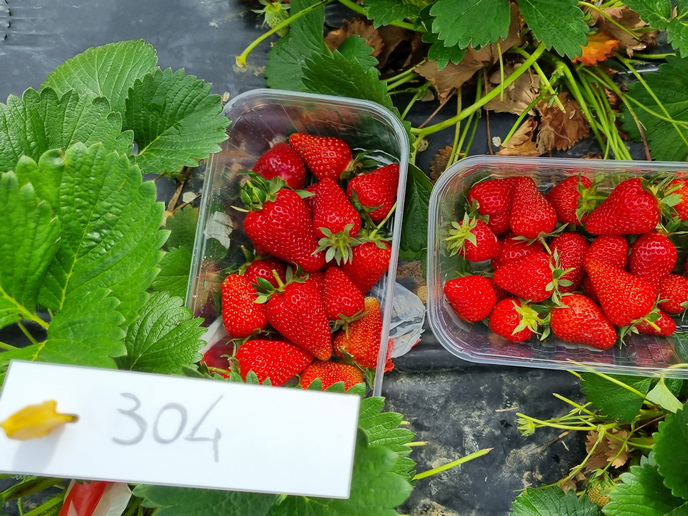
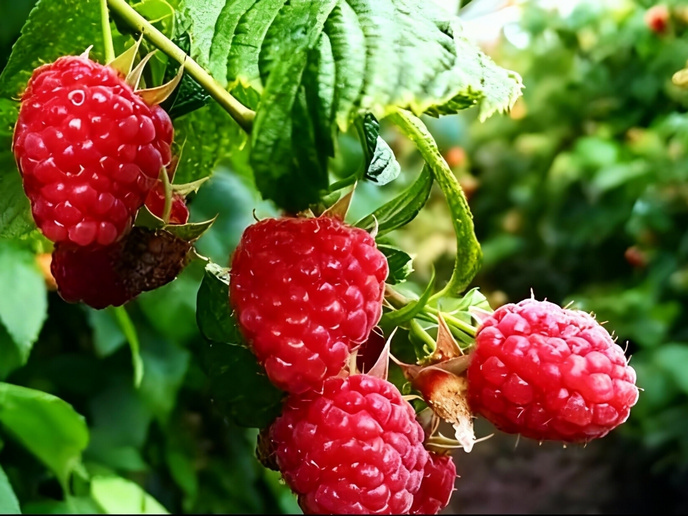
Europe’s appetite for strawberries, blueberries and raspberries is rising, with cultivation areas, production and trade value growing over the past decade. As berry production becomes more strategic, breeders need to deliver resilient, high-quality varieties adapted to climate change and sustainable farming. According to data from the Food and Agriculture Organization Corporate Statistical Database (FAOSTAT)(opens in new window), the region produced nearly 1.8 million tonnes of strawberries alone in 2023, while blueberry production reached almost 200 000 tonnes. “These crops are among the most valuable in Europe. The berry sector plays an important role in the European agri-food trade,” says Bruno Mezzetti, project coordinator of EU-funded BreedingValue(opens in new window). The project set out to improve breeding tools and expand genetic resources available for strawberries, raspberries and blueberries.
Mapping genetic diversity and breeding innovations
BreedingValue’s 20 partners and 10 external collaborators studied an unprecedented diversity of genetic material. They characterised more than 1 500 strawberry populations and nearly 100 raspberry and blueberry populations. The project used advanced genotyping, which reads a plant’s DNA to identify genetic differences, and validated new phenotyping tools, including near-infrared spectroscopy and 3D and hyperspectral imaging, which measure traits such as fruit quality, plant structure and stress tolerance. The genetic analysis highlighted strong differences across species. “We found a wide diversity for strawberries, certainly wider than that available at least in the United States,” Mezzetti notes. “This strengthens the potential of our breeding programmes.” In contrast, the team identified gaps in genetic diversity for raspberries and especially blueberries, with reduced availability of germplasm (the collection of genetic resources available to breeders) and breeding material. This leaves Europe “almost totally dependent on new varieties obtained from international breeding programmes.” BreedingValue developed an innovative breeding strategy combining genomic, metabolomic (chemical compounds linked to flavour and stress response) and sensory analyses to identify plants with valuable traits for resilience and fruit quality. In strawberries and raspberries, this work led to the identification of many molecular markers – genetic indicators linked to traits such as pathogen resistance, plant adaptability and fruit quality. Genome-wide association studies revealed additional resistance and quality genes, which could later be validated under the EU’s framework for new genomic techniques(opens in new window).
Building resilient, sustainable and market-ready berries
BreedingValue also assessed resilience to climatic and cultivation challenges. It identified germplasm with resistance to biotic and abiotic stresses and demonstrated, through life cycle assessment studies covering 26 strawberry and raspberry field trials, that both existing cultivars and new selections adapt well to more sustainable production systems. “The availability of this germplasm, combined with the new genotyping and phenotyping technologies developed, has strengthened the capacity of EU breeding programmes to produce new, higher performing varieties for our cultivation systems, also in response to climate change and the risks induced by the spread of new pathogens and parasites,” states Mezzetti. Additionally, the project performed consumer studies in different countries, putting their preferences at the heart of berry innovation. It developed harmonised sensory methods and multilingual flavour and texture vocabularies(opens in new window) to align new varieties with consumer tastes. To ensure long-term innovation, BreedingValue created the Germinate Berry Database(opens in new window), an online resource containing methodologies and data on strawberry, raspberry and blueberry genetics for breeders and researchers.