A genetic hub for smarter tomato breeding

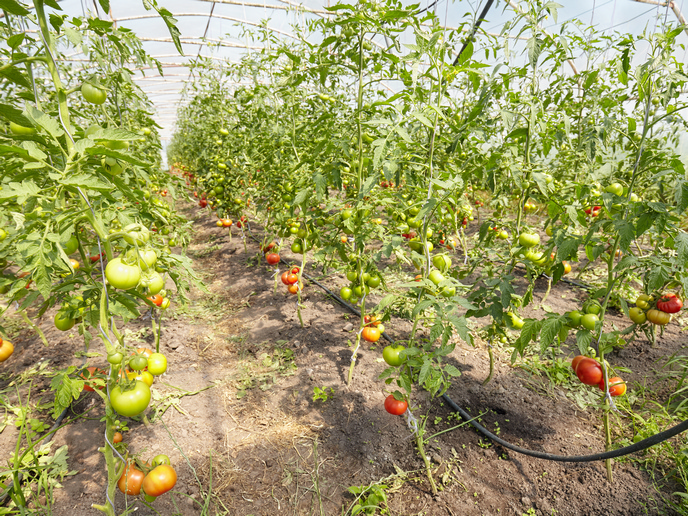
Tomatoes are among the most widely cultivated vegetables in the world. As a result, there is already a wealth of genetic information on tomatoes available at germplasm banks and other research repositories. However, these resources are not consolidated to support breeders and growers in different environments. There are other challenges facing tomato cultivation too. Due to its popularity, tomatoes are at risk of reduced genetic diversity, as a few attractive, tasty, high-yield varieties dominate the market. Add the pressures of climate change and emerging diseases, and this popular vegetable is more vulnerable than it seems. The EU-funded HARNESSTOM(opens in new window) project addresses these challenges with targeted prebreeding programmes and a one-stop-shop for stakeholders interested in accessing genetic resources.
Prebreeding tackles core concerns
Prebreeding is an essential component of modern agricultural practices. The process involves identifying advantageous traits in existing stock, both cultivated and wild varieties, and using cutting-edge technologies such as gene sequencing to transfer these traits to other breeding lines. Prebreeding allows stakeholders to rapidly develop new plant varieties with desired traits. HARNESSTOM developed prebreeding programmes that targeted some of the major challenges in tomato cultivation: disease resistance, tolerance to climate change and quality. Highlighting the project’s focus on collaboration between public and private entities, the Spanish National Research Council (CSIC)(opens in new window) partnered with the private multinational seed producer Enza Zaden(opens in new window) to improve tomato resilience to climate stressors. “We managed to increase tolerance to high temperatures and limited water by introducing tolerance genes identified from some wild relatives of tomatoes in the previous EU projects TomGEM and TRADITOM,” explains project coordinator Antonio Granell. Prebreeding efforts to improve the flavour of cherry and globe varieties were also successful. In another series of prebreeding programmes, project partners in Spain and Italy worked to improve disease resistance. Granell shares: “HARNESSTOM collaborated closely with local farmers from Valencia and Catalunya in Spain and Lazio in Italy to introduce genetic resistance to major viral diseases. As a result, local farmers can now introduce disease resistance into their locally grown traditional varieties.”
Accessible resources though HarnesstomDB
Improving the quality and safeguarding the vitality of tomatoes through prebreeding efforts is essential; however, equally important is making sure all stakeholders – scientists, breeders, farmers and garden enthusiasts – have access to the existing wealth of information on tomato genetics. The project developed a database, the HarnesstomDB(opens in new window), to consolidate information dispersed in other databases or in published scientific articles. Stakeholder response to the database has been positive. Granell foresees a time when “more breeders, scientists, farmers and garden growers are using HarnesstomDB to select the best materials for their purposes.” He adds: “During the project, company breeders attended several courses and had the opportunity to do hands-on training with the database. Currently over 100 people have registered to access the HarnesstomDB.” Irresistible, versatile, delicious and nutritious, tomatoes will always have a place on the world’s table. By leveraging prebreeding to address threats to this important crop and consolidating information useful to breeding the best tomatoes possible, the HARNESSTOM approach is key to securing the future of tomato cultivation.