


Seaweed: the future of bioplastic food packaging

B’ZEOS seaweed-based pellets follow a plug-and-play approach. Our pellets can be seamlessly integrated into conventional equipment used in current industrial processes, requiring no modification of current machinery. This enables us to achieve a scalable and price-competitive impact.
Blanca Barrios, B’ZEOS innovation manager
Single-use plastics found in food packaging are one of the most visible examples of unsustainable consumer behaviour. Industries around the world are on the hunt for biodegradable alternatives to petroleum products. Plant-based packaging can improve sustainability, but it also presents ecological drawbacks. Cultivating plants requires significant amounts of fresh water and arable land that could be used for food production. With funding from the EU through Horizon Europe(opens in new window), Forskningsrådet(opens in new window) and CDTI(opens in new window), two European SMEs worked together in the SeaweedPack project to establish the commercial viability of seaweed as a biomass source for sustainable food packaging.
The future is seaweed
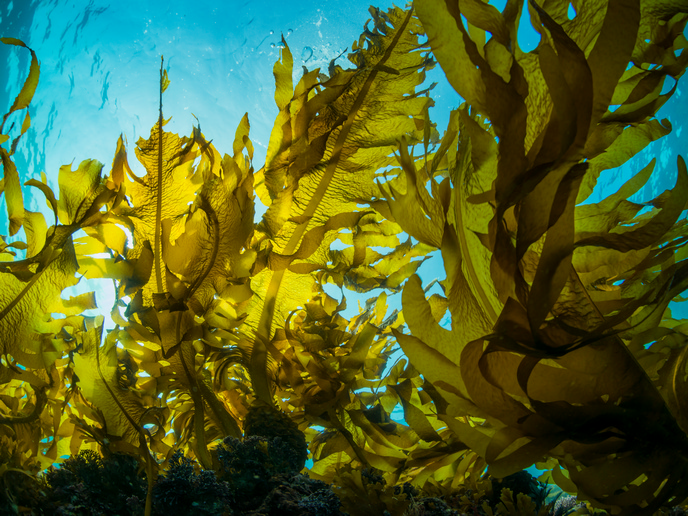
Norway’s kelp forests are a vast resource with the potential to significantly reduce carbon emissions. The B’ZEOS(opens in new window) company, founded in 2018 with the mission to provide eco-friendly, ocean-based solutions, recognised the value of kelp in creating sustainable packaging products. “Unlike other plant-based bioplastics derived from land crops, seaweed is abundant, fast-growing and requires no fresh water, fertilisers, or arable land,” shares B’ZEOS CTO and project coordinator Adriana Kyvik. Seaweed is used in a wide range of applications, including food and biofuel. B’ZEOS focused on valorising seaweed biomass after higher-value compounds had been extracted. The company processes the remaining material to isolate polysaccharides, which are formulated into pellets that can be used by packaging manufacturers.
A versatile approach
Achieving rapid market uptake for the SeaweedPack solution depends on three key factors: cost-efficiency, high performance and regulatory compliance. B’ZEOS developed three types of extruded pellets that can be used to make flexible films, thermoformed items and rigid items. The cost-efficiency of these pellets relies on seaweed’s abundant biomass availability and the capacity to feed the pellets into existing machinery without time-consuming adjustments or new equipment. B’ZEOS innovation manager Blanca Barrios explains: “B’ZEOS seaweed-based pellets follow a plug-and-play approach. Our pellets can be seamlessly integrated into conventional equipment used in current industrial processes, requiring no modification of current machinery. This enables us to achieve a scalable and price-competitive impact.”
Demonstration at scale
To confirm the success of its plug-and-play solution, B’ZEOS needed an industrial partner. Located in Zaragoza, Spain, Moses Productos(opens in new window) is a client-oriented producer of plastics. Using technologies such as injection, moulding, thermoforming and extrusion, Moses Productos partnered with B’ZEOS to produce home-compostable food packaging made from seaweed. The partnership between the two companies was a fruitful one. As Barrios notes: “The most valuable aspect of the collaboration was access to larger-scale machinery and technical expertise for scale-up and material characterisation.” SeaweedPack has successfully met all of its objectives. The project has obtained functional prototypes and analysed their properties. Tests have shown that packaging made from seaweed is appropriate for dry foods and items that must be peeled, washed or shelled before consumption, such as vegetables and eggs. A lifecycle assessment of the project’s solution also showed positive environmental performance, with reduced pressure on forests and potential benefits to marine ecosystems. “The results of the project have created a working model of the technology,” adds Barrios, “unlocking the potential to further work on scalability of the production process to reach commercial readiness in the near future.” The future is indeed seaweed, as B’ZEOS’s pellets are on track to reach full commercial scale within a year. The consortium brought together B’ZEOS and Moses Productos, co-funded by Horizon Europe, the Research Council of Norway (Forskningsrådet) and the Spanish Centre for the Development of Technology and Innovation (CDTI).