Where do fish go when a river dries up?

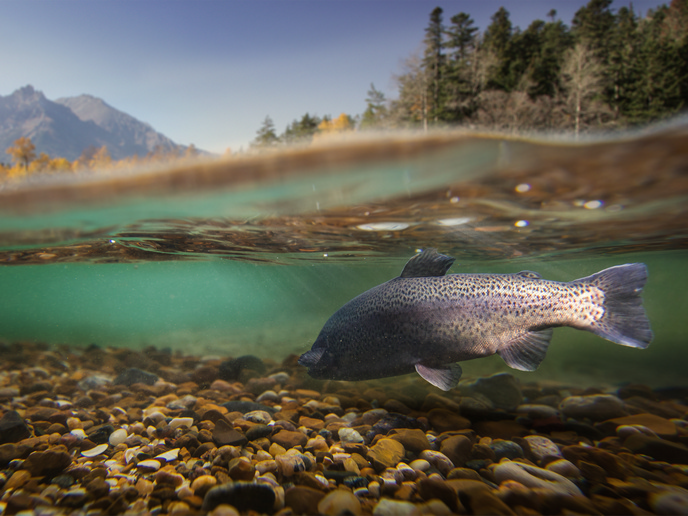
Despite making up less than 2 % of our planet’s total surface area, rivers and streams are among the most biodiverse habitats on Earth – over half(opens in new window) of all fish species are freshwater species. Rivers are also critical to supporting human life. It is no accident that humanity developed along river corridors, and we continue to rely on rivers for drinking water, irrigation and energy. “They also play a role in the carbon cycle,” says Thibault Datry, a freshwater scientist at INRAE(opens in new window) in France. “For example, the carbon in the leaves that fall into rivers is not just transported to sea, but processed, assimilated and respired by biological communities from microbes to arthropods and fish. Without rivers, the Earth’s carbon cycle would be completely different.”
Should I stay or should I go?
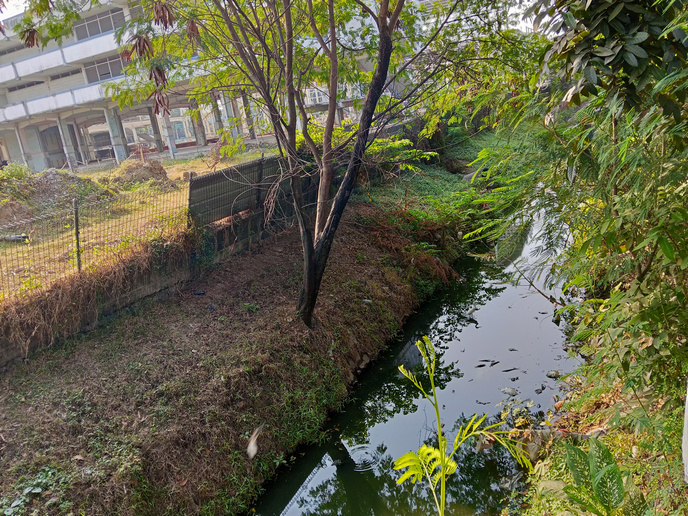
Nonetheless, rivers often experience periods of dryness. This can be in response to regular precipitation patterns, or seasonal changes in groundwater level. Over thousands of years, species that have made rivers their home have developed multiple strategies to cope with these dry spells. “Two key responses have evolved,” adds Datry. “The first is simply to leave. When fish feel waterflow decreasing, they will get to a refuge. This can be a perennial reach in the river network, a permanent pool in the channel, or adjacent waterbodies such as oxbow lakes(opens in new window) or wetlands.” Once the water comes back – and if the movement of fish and other organisms is not prevented by dams and weirs – previously dry reaches can quickly recover. Another response is to just stick it out. Some invertebrate species – such as mayflies – will lay eggs protected by a layer of mucus on dry gravel, enabling the eggs to survive for weeks. The adult might die, but if the timing is right, the eggs will hatch with the return of water. Other aquatic animals – certain species of worm for example – have evolved even more ingenious methods. They will excrete all the water from their body and stay buried in dry sediment. “They’ll just wait like this in a state of summer dormancy until a little bit of water makes them active again,” explains Datry.
Adapting to climate change
However, animals with such carefully calibrated responses are struggling to adapt to the impacts of climate change and man-made interventions. Hotter, drier summers are increasing humanity’s need for water to irrigate crops, which in turn depletes rivers even further. As a result, perennial rivers are becoming intermittent. This extreme drying is having huge ecological impacts, by cutting off access to the refuges that fish would normally have swum to. While dams may create pools of water, they also divert water and can prevent the longitudinal movement of animals.
Ensuring ecological connectivity
Datry, who coordinated the EU-funded DRYvER project, wants to see action taken to ensure that animals adapted to the natural drying process of rivers continue to flourish. “One recommendation would be to encourage recognition that when a river is dry, it is not dead,” he remarks. “If you lift up a rock, you’ll find life underneath waiting for water.” Datry also wants to see activities that support the ecological connectivity between refuges and sites prone to drying, as well as proactive action to build such refuges. “Stream restoration projects to create natural pools and maintain wetlands can be very successful,” he says. “Making sure that species can access these will help to ensure the ecological resilience of our river systems.” Find out more about Thibault Datry’s research: Understanding impacts of drying river networks