Bio-based PEF reduces greenhouse gas emissions from plastic production


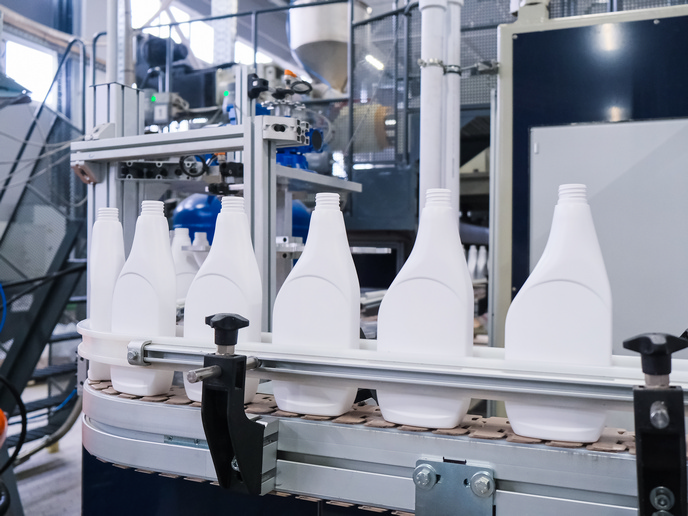
Plastic made from non-renewable polyethylene terephthalate (PET)(opens in new window) petroleum, commonly known as polyester, is an integral part of modern life due to its practicality, durability and low-cost. However, fossil-based plastic can have significant negative environmental and economic impacts. One promising alternative to PET is polyethylene furanoate (PEF)(opens in new window), a 100 % renewable, bio‑based polyester that can reduce greenhouse gas emissions by up to 33 % compared to fossil‑based PET. Produced from renewable raw materials, PEF can be used to manufacture containers, films, cosmetic packaging and adhesives. It offers better barrier properties than PET, being up to 10 times more effective against oxygen and 16 times more effective against CO2. The result is an enhanced shelf life for products and a reduction in wasted material. In addition, PEF is recyclable in existing mechanical recycling assets and provides stronger mechanical and thermal performance, supporting more sustainable and durable packaging solutions.
Bio-based plastic
The EU-funded PEFerence(opens in new window) project has established a globally first-of-a-kind, industrial scale (5 kton/year), cost-effective biorefinery flagship plant. This plant produces bio-based 2,5-furandicarboxylic acid (FDCA), the key monomer for PEF, using existing facilities in industrial symbiosis. The consortium aimed to replace a significant part of fossil-based materials and monomers, by incorporating bio-based and innovative PEF, and its building block FDCA. “The goal was to produce FDCA at an industrial scale, manufacturing 100 % bio-based recyclable PEF, validating PEF applications and preparing the full value chain for deployment,” states project coordinator Siu-Ha Soo-Tang. Since early 2025, project partner Tereos has supplied first-generation high-fructose syrup (HFS) as the primary feedstock to the FDCA flagship plant, ensuring continuity and scalability. Pilot-scale trials were conducted to evaluate the technical feasibility of using second-generation feedstocks such as wood biomass. While promising results were obtained at pilot scale and different 2G sugar sources were assessed, commercial operations at the plant currently use only first generation HFS from Tereos. By establishing the first commercial FDCA plant and proving a complete PEF value chain, PEFerence showed that bio‑based plastics can be scaled and commercialised. “This addressed a clear market need by providing a high-performance, recyclable alternative to fossil‑based plastics and by bridging the gap between innovation and industrial adoption,” notes Soo-Tang.
Europe leads the way
Trials carried out on standard industrial equipment have shown that PEF can be run on current production lines with minor adaptations in process conditions comparable to those typically needed when introducing a new polymer grade. This demonstrates that manufacturers can integrate PEF into established industrial set-ups while largely leveraging existing assets, thereby reducing both capital expenditure and implementation risk. “PEFerence demonstrated how Europe can lead the transition from volume-driven, fossil-based plastics to high-value, bio-based materials. It helps Europe compete not by producing more plastic, but by producing better and more differentiated plastics, securing critical bio‑based building blocks such as FDCA and aligning industrial competitiveness with climate and circularity goals,” Soo-Tang concludes. The work conducted by PEFerence will benefit industrial producers, value-chain actors and brand owners seeking bio-based, high-performance alternatives to fossil-based plastics. The results will support regulators, policymakers and researchers through validated data, regulatory approvals and sustainability assessments.