Farm-tested tools help farmers cut fertiliser guesswork

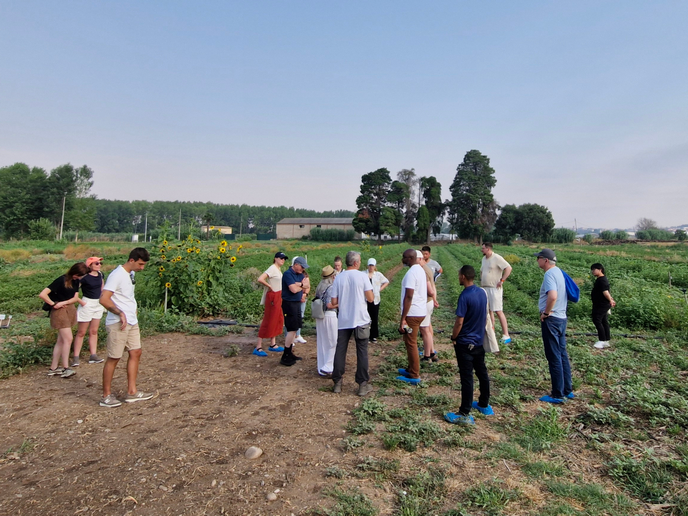
For arable farmers, deciding how much fertiliser to apply and when to apply it is one of the most important choices. The EU-funded NUTRICHECK-NET(opens in new window) project tackled that challenge by asking farmers and advisers to test which crop nutrition tools actually help make field decisions, including sourcing of bio-based fertilisers such as manure and recycled nutrients. Working through Crop Nutrition Clubs(opens in new window), the project compared soil analysis, leaf and grain testing, satellite imagery, decision support software and recommendation systems. It also built an online platform(opens in new window) where farmers can search and compare available tools.
Farmers tested tools for fertiliser decisions
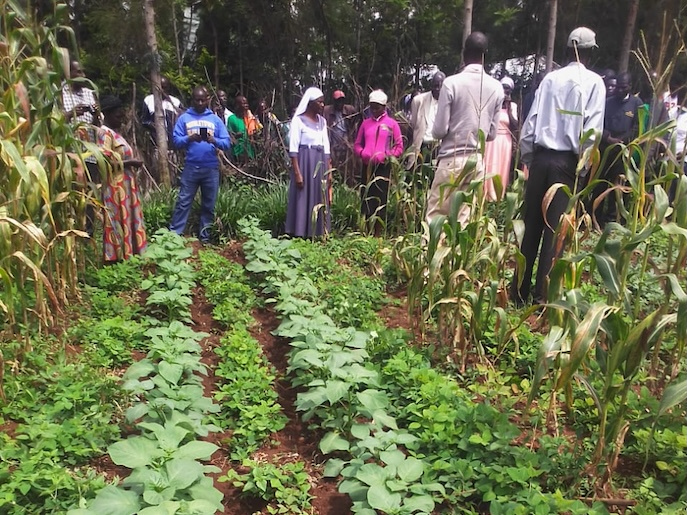
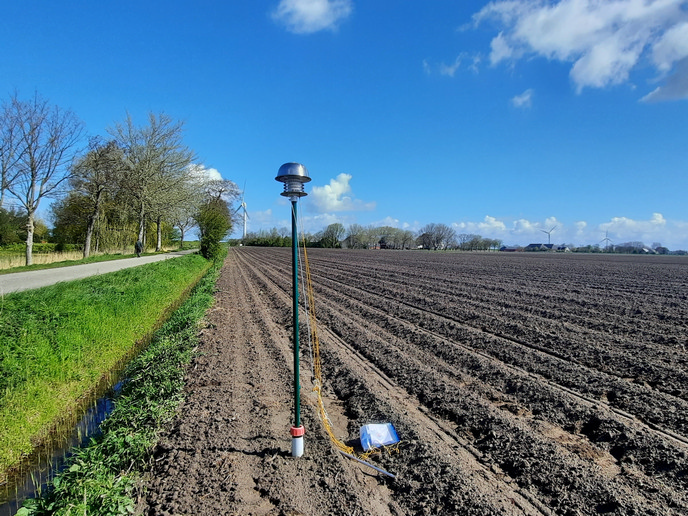
Farmers tested tools that could support different parts of nutrient planning, from setting fertiliser rates to understanding field variation. As Sarah Kendall, NUTRICHECK-NET’s scientific coordinator, explains, “In the project, several tools across different categories were tested by farmers, helping them become more confident in the decisions they were making regarding fertiliser applications.” Some tools directly informed fertiliser recommendations, while others helped farmers better understand crop performance. The project’s ‘measure-to-manage’ approach followed three steps: plan, check and adjust, then review. A farmer starts with field knowledge such as soil texture, previous crops, manure inputs and expected yield. Soil and manure analysis can then refine the nutrient plan. During the season, satellite imagery or leaf analysis can show whether the plan still fits crop conditions. After harvest, grain nutrient analysis, yield data and nutrient balance calculations help improve the following year’s plan.
Soil analysis and software earned farmers’ trust
Not every tool performed equally well in everyday farm conditions. The tools farmers trusted most were familiar, clear and backed by useful evidence. Kendall says, “Across a multitude of performance indicators considering trust, user-friendliness, cost and benefit qualities, soil analysis was identified as the top-performing category of tool, indicating that farmers need further support to realise the value of tools that help to review nutrient strategies and inform future decisions.” Soil analysis scored highly because it is already widely used and provides information that farmers can directly connect to fertiliser planning. Harvested crop analysis scored lower, especially for user-friendliness and economic return, because it often informs future strategy rather than immediate in-season changes. That makes its benefits harder to see quickly, a reminder that even useful tools need to fit farm routines, time pressure and decision cycles.
Best practices turn farm checks into shared guidance
The NUTRICHECK-NET project did not try to force one tool on every farm. Countries and crops differ, and the project found that tool categories are more useful than one-size-fits-all recommendations. As Kendall notes, “NUTRICHECK-NET developed 21 holistic best practices that are relevant to farmers across Europe.” Those best practices are linked to tool categories that support planning, checking and review. The project’s platform lets users filter and compare tools, while outputs are intended to remain accessible through EU-FarmBook(opens in new window). Related European work on nutrient management and nutrient recovery shows the same wider direction: practical knowledge must move from research into day-to-day farm decisions. The result is a clearer route for farmers who want to reduce guesswork, use fertiliser more precisely and learn from results year after year.